
 By
By 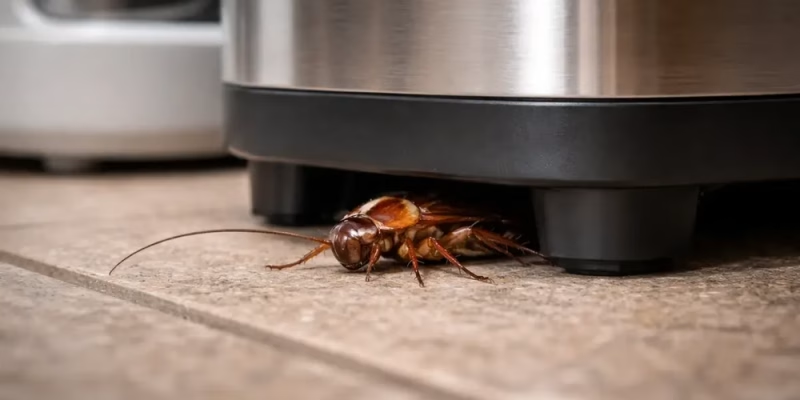
Cockroaches don’t set up house at random. They gravitate toward a short list of conditions, including moisture, warmth, food residue, and a dark place to hide. In most homes, those conditions are found in two rooms. Most infestations take roots in the kitchen and the bathroom, and knowing the specific spots that draw them lets you catch a problem while it can be easily addressed. Once a population settles in behind the walls and under the appliances, do-it-yourself sprays rarely reach the source, and that’s usually the point where homeowners start looking into cockroach exterminator services.
Think about what a cockroach needs to thrive, and the appeal of these rooms becomes obvious. Both offer water, warmth, and an endless supply of the crumbs, grease, and organic residue roaches feed on. And both spaces are full of tight, dark gaps where insects can shelter unseen during the day and emerge to forage at night. Here are areas in bathrooms and kitchens where pests may thrive:
Under and Behind the Kitchen Appliances
The warm, hidden spaces beneath and behind major appliances are real estate for pests. The motor housing of a refrigerator throws off constant heat, and the drip pan underneath collects moisture and debris. The gap behind and beneath the stove accumulates grease and fallen crumbs in a spot that almost never gets wiped down. Dishwashers offer warmth, moisture, and food particles all at once, and the space around and under them stays consistently damp. Kitchen infestations usually begin in these appliance zones.
The Sink Cabinet and Its Plumbing
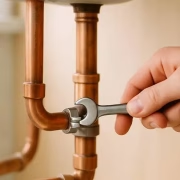
The cabinet under the kitchen sink combines everything a cockroach looks for: darkness, dampness from the pipes, and the openings where plumbing passes through the cabinet wall. Small leaks and condensation keep the space humid, and the gaps around the drain lines double as both hiding spots and highways to the rest of the house. It’s one of the first places worth inspecting at the earliest sign of activity.
Small Gaps and Clutter Throughout the Kitchen
Beyond the big appliances, roaches exploit the little openings scattered across a kitchen:
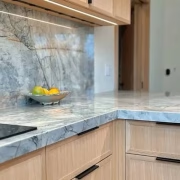
- Cracks and crevices where countertops meet the wall or backsplash.
- The gaps behind and inside cabinets, especially upper corners.
- Pantry shelves where dry goods spill and food sit in open packaging.
- Small openings where pipes and wiring enter through walls or floors.
- Stacks of paper bags, cardboard, and clutter that provide harborage.
Grease film and food residue on surfaces feed them; the clutter gives them somewhere to hide. Reducing both makes a kitchen less hospitable.
Bathroom Moisture Is the Main Draw
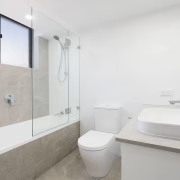
If the kitchen offers food, the bathroom offers water. A bathroom stays humid long after a shower, and that lingering moisture is a powerful attractant. Cockroaches gather in some bathroom spots. The cabinet beneath the sink is a favorite, where pipe openings meet condensation, and so is the base of the toilet where it joins the floor and water line. Floor and shower drains hold standing water and organic buildup that draws them in, and the dark space behind the toilet tank gives them somewhere to wait it out. Factor in the warmth of the room and the plumbing chases tucked inside the walls, and a bathroom becomes a reliable stronghold, often the reason an infestation hangs on even after the kitchen has been scrubbed clean.
Why the Source Is Hard to Reach
The spots roaches favor are the ones a homeowner can’t easily treat. Surface sprays hit the insects you see while the breeding population stays safe behind appliances, inside wall voids, and deep in the plumbing chases. This is where professional treatment is important. Palisade can trace infestations back to these hidden sources and treat the harborage.
Staying ahead of roaches comes down to denying them the conditions they seek. Fix leaks promptly, clean beneath and behind appliances, keep food sealed, and cut down on clutter in both rooms. When done consistently, the kitchen and bathroom will no longer be the welcoming environments cockroaches count on.
A
A
A
A
Z
Z
Z


Comments