
 By

The sound comes first. A spring cell rolls across Montgomery County, the rain turns into a hard rattle overhead, and for ten long minutes the whole house feels like it’s sitting under a tin bucket. Then it passes. Most homeowners step out to the driveway, look up, see shingles still in place, and decide the roof came through fine. That quick look from the ground is where a lot of roofs get written off too early, because hail damage rarely shows from forty feet away.
The road from that night back to a sound roof follows a fairly predictable path. In Coffeyville and the towns around it, Pure Value Renovations LLC works this path for local homeowners, starting with a storm damage inspection and carrying through to full replacements in impact-resistant materials, with the crew talking directly with insurance adjusters while the damage gets documented. Even with good help, knowing each stage ahead of time keeps the homeowner in control of the project instead of getting pulled along by it.
The First Hour Belongs to Safety and a Camera
Nobody should be climbing a wet roof after a storm, and nobody needs to. The useful work in that first hour happens indoors and at ground level. Check ceilings for fresh stains, peek into the attic with a flashlight, and put a bucket under any drip before it becomes a soaked drywall problem.
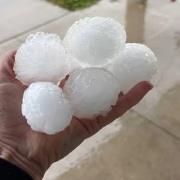
Then walk the yard slowly. Soft metal tells the story of a hailstorm better than shingles do. Dented gutters, dinged downspouts, flattened fins on the AC condenser, torn window screens and chipped paint on fences all point to how large the stones were and which direction they came from. If any hailstones are still on the ground, photograph a few next to a coin or a tape measure. Those pictures carry real weight later, when someone at an insurance office is deciding whether the storm was strong enough to damage your roof.
Bruises That Hide in Plain Sight
Hail rarely punches a hole through asphalt shingles. What it usually does is subtler and more expensive over time. A hit knocks loose the protective granules and can fracture the fiberglass mat underneath, leaving a soft spot that feels a bit like a bruise on an apple. The roof doesn’t leak that week. Instead, sunlight starts working on the exposed asphalt, the crack widens through a couple of hot summers and cold snaps, and water finds its way in a year or two later, often after the window for filing a claim has closed.
Wind adds its own trouble. Strong gusts can lift shingle tabs and break the adhesive strip that holds them flat, leaving a crease that eventually tears. A trained inspector on the roof tends to look for a specific set of signs.
- Dark, roughly circular marks scattered in a random pattern where granules have been knocked away
- Spots that give slightly under thumb pressure, a sign the mat beneath has cracked
- Dents in roof vents, pipe flashing, drip edge and ridge caps
- Creased or lifted tabs along the edges of each slope
- Small piles of granules washed out at the bottom of downspouts
One or two marks on a single slope may mean little. A consistent pattern across several slopes usually means a claim worth filing.
Paperwork Starts Sooner Than Most People Expect
Pull out the homeowners policy before calling anyone. In Kansas, wind and hail deductibles are often a percentage of the home’s insured value rather than a flat dollar amount, which can make the out-of-pocket share much larger than people assume. Older roofs are sometimes covered at actual cash value, meaning depreciation comes off the payout. Some policies also exclude cosmetic damage, which matters most for metal roofs that dent without leaking.
Policies also set time limits on reporting damage, so call the insurer early, write down the claim number, and keep a running log of every conversation. When the adjuster schedules a visit, having your own inspector on the roof at the same time keeps both people looking at the same slopes. Ask for the adjuster’s estimate in writing and read the line items. Drip edge, starter strips, ice and water shield and code-required upgrades are easy to miss, and a contractor can request a supplement when something legitimate was left off.
Door Knockers Arrive With the Sunshine
Within days of a big storm, trucks with out-of-state plates start working the neighborhood. Some are honest crews following the work. Others leave town with deposits and unfinished roofs. Kansas requires roofing contractors to register with the state Attorney General’s office, and that registration number should appear on contracts and advertising, so ask for it and check it before signing anything.
A local address, proof of liability insurance and names of nearby customers are reasonable things to ask for. Treat any offer to “take care of” your deductible as a warning sign. The deductible is your share under the policy, and hiding it from an insurer can push a claim into fraud. If you do sign something at your kitchen table under pressure, a federal rule generally gives you three business days to cancel many contracts signed at home.
Choosing the Roof That Meets the Next Storm
A replacement is also a chance to get a tougher roof. Shingles rated Class 4 under the UL 2218 standard have survived a two-inch steel ball dropped from twenty feet onto the same spot twice without cracking. Many are made with SBS-modified asphalt, which stays more flexible and absorbs impact rather than shattering. Some insurers offer premium discounts for Class 4 roofs, though that varies by carrier, so call your agent before choosing a product.
Ratings are a starting point rather than a promise. Research from the Insurance Institute for Business & Home Safety has shown that impact-rated shingles don’t all perform alike against real hail, and that shingles lose some of their impact resistance as they age. Metal roofing earns high impact ratings too, but dents can be classed as cosmetic and excluded from coverage. Since insurers usually pay for like-kind materials, the cost difference for an upgrade often falls to the homeowner, and that’s where financing plans can make a stronger roof realistic.
Tear-Off Day and the Weeks After
A proper replacement starts by stripping everything down to the deck. That’s when soft or delaminated sheathing turns up, and it should be replaced before anything new goes on top. After that comes underlayment, ice and water shield in the valleys and along the eaves, new drip edge, starter strips, fresh flashing at walls and chimneys, and ventilation balanced between intake and exhaust. Reusing old flashing to save an hour is a shortcut that tends to show up later as a leak.
A careful crew protects flower beds, tarps the siding and runs a magnetic sweeper across the lawn and driveway for stray nails. Ask for photos of the bare deck and each layer as it goes on. Many policies hold back recoverable depreciation until the insurer receives proof of completed work, and those photos along with the final invoice release it. Keep a product wrapper or the packaging label showing the impact rating, since an insurance discount may depend on it.
Bigger Roofs Run on the Same Clock
Churches, community halls and other large buildings go through the same stages with extra layers. A steep sanctuary roof may sit right beside a low-slope fellowship hall that needs a completely different membrane, and decisions often pass through a committee or trustee board before work can start. Building in time for those approvals, especially during a busy storm season, keeps the building from sitting under tarps through another round of spring weather.
Every hailstorm in Southeast Kansas resets the clock for someone. Homeowners who photograph the yard the same evening, read their policy before the adjuster arrives and check a contractor’s registration before signing tend to come out the other side with a roof that’s actually ready for the next storm, rather than one that only looks fine from the driveway.




Comments