
 By
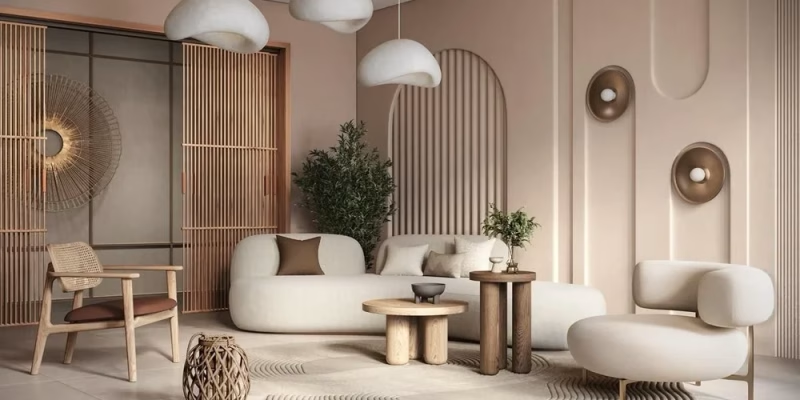
An empty living room can feel unfinished until a coffee table settles at the center, quietly drawing together style and function. But what exactly transforms a simple table into a living room hero? In modern interiors, the answer is a careful balance of practicality and design.
Defining Functionality and Style in Coffee Tables
What Constitutes Functionality in Modern Coffee Tables?
Functionality is more than just a surface for mugs and remotes. Today’s coffee tables need to handle the demands of daily life: extra storage, adaptable use, and durability. Some offer lift-tops for work or dining, others tuck away blankets and board games. Good design anticipates how people really live, making space for both the everyday and the unexpected.
Key Elements of Style: Materials, Shapes, and Finishes
Style lives in the details. Modern coffee tables play with materials, wood, glass, metal, even concrete, each setting a distinct mood. Shapes range from soft-edged rounds to crisp rectangles, while finishes shift the energy: glossy for glamour, matte for subtlety.
Comparing Materials: Practicality vs. Aesthetic Appeal
Choosing the right material affects both how a table looks and how well it performs.
Wood: Warmth and Durability
Wood remains a classic, inviting warmth and texture. It handles bumps and daily use gracefully, and develops character with age. Oak and walnut are especially sturdy, making them favorites for long-lasting pieces.
Glass: Sleekness and Openness
Glass coffee tables instantly lighten a space, letting light pass and keeping rooms feeling open. They make smaller living areas seem larger but require frequent cleaning to stay smudge-free. Tempered glass adds a layer of safety for homes with kids or pets.
Metal and Composite: Modern Edge and Longevity
Metal legs or tops evoke an industrial edge, while composites offer both strength and the freedom to experiment with shapes and colors. They’re built to last and often resist stains and scratches better than traditional materials.
Design Styles: Blending Function and Fashion
Minimalist Designs: Space-Saving and Clean Lines
Minimalists gravitate to simple silhouettes and hidden storage that keep clutter at bay. Waterfall edges, slim profiles, and monochrome palettes make these tables almost disappear, until you need them.
Rustic and Vintage: Character with Practical Storage
Rustic and vintage tables often come with drawers or shelves, infusing spaces with personality. Distressed finishes and reclaimed wood add charm, while baskets or bins beneath lend a practical touch.
Contemporary and Industrial: Bold Statements and Utility
Contemporary tables aren’t afraid to play with form and color, often combining unexpected materials. Industrial styles favor exposed metal frames and visible fasteners, marrying utility with a sense of authenticity.
Storage Solutions: Hidden vs. Open Options
A coffee table can act like a secret weapon against chaos, or put your favorite books on display.
Integrated Storage Compartments for Clutter Control
Lift-tops or deep drawers allow you to tuck away remotes, magazines, or kids’ toys when guests arrive. These tables are ideal for urban apartments where every inch counts.
Open Shelving for Display and Accessibility
Open lower shelves invite you to show off design books, ceramics, or plants. This option keeps essentials handy and lets you refresh your décor with the seasons.
Convertible Coffee Tables: Multi-Use Innovations
Innovation shines in convertible designs. Some tables rise to dining height for meals or remote work, while others unfold into compact desks or extra seating. These are the Swiss Army knives of the living room.
Size and Shape: Impact on Room Dynamics and Use
How a coffee table fits into a room matters just as much as what it’s made of.
Round vs. Rectangular: Navigating Space and Flow
Round tables ease movement, making them perfect for tight spaces or families with kids. Rectangular or oval options anchor larger rooms and pair neatly with sectionals.
Compact Designs for Small Spaces
Nesting tables or petite pieces maximize flexibility without overwhelming a room. They can be pulled apart for parties or tucked together to save space.
Large Statement Pieces for Open Living Areas
Expansive living rooms demand bolder tables, think oversized slabs of wood or dramatic glass creations, that command attention without getting lost.
Surface Functionality: Durability and Maintenance
Nobody wants a table that’s hard to live with.
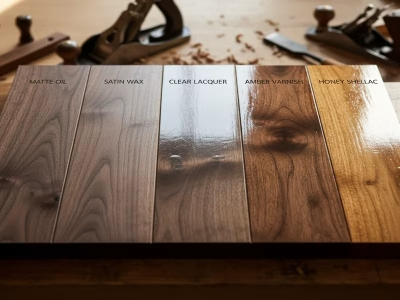
Scratch-Resistant Finishes and Protective Coatings
Opting for protected surfaces means fewer worries about coasters or accidental scrapes. Many modern tables use advanced lacquers or laminates for peace of mind.
Easy-to-Clean Surfaces for Everyday Use
Smooth glass, sealed wood, and powder-coated metals all wipe clean in seconds, making life just a bit easier.
Heat and Spill Resistance: Practical Considerations
Materials that shrug off spills or a hot mug keep tables looking new longer. Look for water-resistant wood treatments or heat-tolerant composites to extend a table’s life.
Harmonizing with Interior Themes
A coffee table isn’t just a utility, it anchors the room’s mood.
Coordinating Coffee Tables with Sofas and Rugs
Matching or contrasting colors and textures with sofas and rugs creates visual harmony. For example, pairing a glass table with a plush rug can balance softness and structure.
Using Coffee Tables as Focal Points or Subtle Complements
Bolder tables become instant centerpieces, while understated designs quietly support the surrounding décor.
Color and Texture Matching Strategies
Mixing finishes, matte and glossy, warm and cool, adds depth. Neutral tones are flexible, while pops of color inject personality.
Final Comparison: Balancing Practical Needs with Design Preferences
Prioritizing Functionality Without Sacrificing Style
The best coffee tables blend everyday usability with design that feels personal. It’s about maximizing features without settling for something that feels out of place.
Case Studies: Successful Coffee Table Choices in Modern Homes
Consider a minimalist loft with a glass-and-steel table that doesn’t crowd the space, or a cozy family room where a storage-rich wooden table doubles as a play surface and reading nook.
Tips for Selecting the Perfect Coffee Table for Your Space
– Measure carefully: Allow at least 18 inches between the table and surrounding seating.
– Think about your lifestyle: Do you eat, work, or mostly relax in your living room?
– Choose durable materials for families or pets.
– Use reputable resources like Avant Scene coffee tables to explore curated options that balance form and function.
A coffee table’s role is simple yet vital, grounding your living area in both style and purpose. With thoughtful selection, it can be the unsung hero your modern home deserves.



Comments