
 By
By 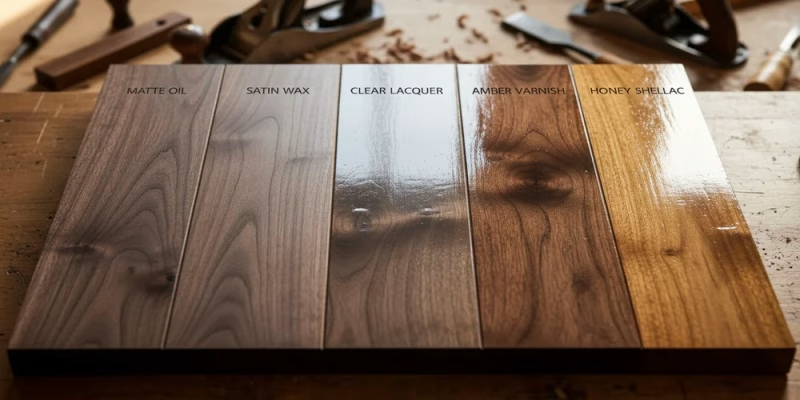
The veneer sheet displays the natural charm of wood, but its charm and durability will largely depend on how well it is finished. The quality of finishing improves the grain and colour of the veneer surface while protecting it from moisture, scratches, stains, and wear. There are many different veneer finishing options to choose from; therefore, the right choice will depend on how the finish is going to be used, the types of maintenance expected from it, as well as its appearance. Be it furniture, wardrobes, cabinets, wall panels, or doors, once you know what each method of finishing is all about, you will find the right one.
Why Veneer Finishing Matters
Finishing is very important because it will help keep the beauty of veneer intact. The finish will protect veneer from the effects of humidity, dust, sun, and daily use. The right finish adds a few more years to the lifespan of the veneer and enhances its grain and looks. Choosing from the available veneer finishing options will allow you to enjoy the beauty of veneer while putting in minimum efforts for maintenance.
Lacquer Finish for a Smooth and Elegant Look
Lacquer veneer finish is the most widely used technique for veneer finishing as it provides a smooth and uniform layer and gives a shiny look to the surface. It is quick in drying, brings the natural pattern to prominence, and has good resistance against stains and minor scratches.This type of finish is typically used in closets, furniture, and wall panelling read the complete guide on veneer colour staining and finishing to understand how lacquer, oil, wax, and PU coatings interact differently with various wood species and grain types.
Oil and Wax Finishes for a Natural Appearance
An oil finish veneer sheet keeps the wooden surface’s true look intact. When applying an oil-based finish, the oil soaks into the wood instead of forming a thick layer. Because of this, the design is warm and authentic while the wood texture remains intact. The wax finish gives the surface soft glossiness and an agreeable touch. Wax finish may need maintenance, which is why it is not always chosen.
Polyurethane for High-Traffic Areas
The protected surface created by polyurethane is extremely durable. Thus, the finish creates a protective coating resistant to scratches, moisture, stains, and other possible impacts. Therefore, polyurethane is ideal for tables, kitchen cupboard doors, furniture, and other elements exposed to constant use.
Choosing the Right Finish for Your Veneer
Choosing a finishing method is critical since each of the methods has its pros. Decorative furniture items can use oil- and wax-finished wooden products, while various types of furniture used in workstations and public buildings must be properly protected using tougher coatings made of polyurethane or lacquer veneer. Using Royale Touche Natural Veneers allows consistent quality regardless of the finishing method. Explore the walnut veneer sheet collection to see how this popular species responds to lacquer, oil, and PU finishes across different interior applications, whether lacquer, polyurethane, or oil-based.
Conclusion
Finishing plays an important role for veneer both in terms of its protection and appearance. Understanding the different veneer finishing options and the advantages of lacquer veneer and an oil finish veneer sheet can assist homeowners and designers in making the right decisions in any situation.



Comments