
 By
By 
As awareness about environmental issues grows, homeowners are increasingly looking for ways to make their living spaces more sustainable. One area where eco-conscious choices can have a significant impact is furniture. Sustainable furniture combines style, durability, and responsibility, allowing you to create a beautiful home while minimizing your environmental footprint. In this guide, we’ll explore what sustainable furniture is, the materials and practices that make it eco-friendly, design trends, and tips for selecting pieces that are both stylish and responsible.
What Is Sustainable Furniture?
Sustainable furniture refers to pieces that are produced with minimal impact on the environment, focusing on renewable resources, ethical manufacturing, and long-lasting durability. Unlike conventional furniture, which may rely on deforestation, non-recyclable materials, or harmful chemicals, sustainable furniture emphasizes environmental responsibility at every stage—from sourcing raw materials to production and disposal.
Key characteristics of sustainable furniture include:
Eco-friendly materials: Wood from certified forests, bamboo, recycled metals, and upcycled plastics.
Non-toxic finishes: Water-based stains, natural oils, and low-VOC paints that are safe for both humans and the environment.
Durability: High-quality craftsmanship ensures pieces last longer, reducing waste and the need for frequent replacement.
Ethical production: Manufacturers prioritize fair labor practices and environmentally conscious production methods.
Eco-Friendly Materials to Look For
When choosing sustainable furniture, the materials used are crucial. Here are some of the most popular eco-friendly options:
Bamboo: Bamboo is one of the fastest-growing plants on Earth, making it a highly renewable resource. Its strength and flexibility make it ideal for chairs, tables, and flooring.
Reclaimed Wood: Using wood salvaged from old buildings or furniture reduces deforestation while offering unique, rustic charm.
Recycled Metal: Furniture crafted from recycled steel, aluminum, or iron is durable and stylish, often featuring modern or industrial designs.
Cork: Lightweight, renewable, and naturally antimicrobial, cork is used for flooring, wall panels, and furniture accents.
Upcycled Materials: Designers creatively transform discarded items or materials into functional and artistic furniture pieces, giving waste a second life.
Sustainable Furniture Trends
Sustainability doesn’t mean compromising on style. Today’s eco-friendly furniture embraces innovation, creativity, and aesthetics. Some current trends include:
Minimalist Designs: Less is more. Simple, functional furniture with clean lines reduces material use and promotes timeless style.
Multi-Functional Pieces: Convertible sofas, foldable tables, and modular storage units maximize utility while minimizing resource consumption.
Natural Textures and Finishes: Exposed wood grains, matte finishes, and organic fabrics create a warm, earthy vibe.
Local and Handmade Pieces: Supporting local artisans reduces carbon emissions associated with transportation and promotes ethical labor practices.
Benefits of Choosing Sustainable Furniture
Investing in eco-friendly furniture offers numerous benefits beyond environmental responsibility:
Healthier Indoor Environment: Non-toxic finishes and natural materials reduce exposure to harmful chemicals.
Long-Term Savings: Durable furniture lasts longer, lowering the need for replacements.
Unique Aesthetic: Reclaimed and upcycled pieces often have one-of-a-kind textures and designs.
Positive Impact: Choosing sustainable furniture supports environmentally conscious manufacturers and helps combat deforestation and waste.
Tips for Selecting Sustainable Furniture
To make the best choices for your home, consider these practical tips:
Check Certifications: Look for FSC (Forest Stewardship Council) certification for wood, GREENGUARD for low-VOC finishes, or other eco-friendly labels.
Prioritize Quality Over Quantity: Invest in fewer high-quality pieces rather than many low-cost items that may not last.
Research Brands: Choose companies that are transparent about their sourcing, manufacturing processes, and sustainability commitments.
Embrace Second-Hand: Thrift stores, antique shops, and online marketplaces often have durable furniture that can be refreshed with minimal environmental impact.
DIY and Upcycling: Simple updates like sanding, painting, or reupholstering old furniture can extend its life and reduce waste.
Styling Sustainable Furniture
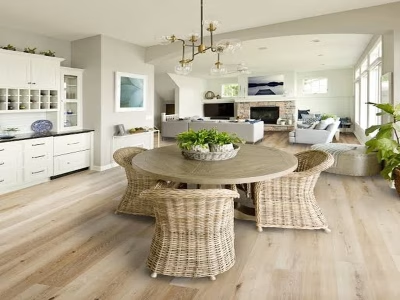
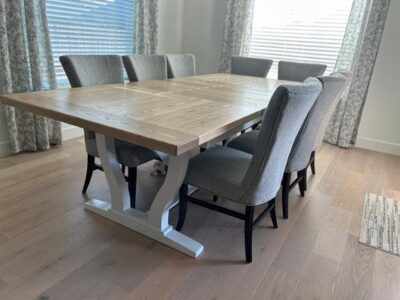
Sustainable furniture can seamlessly fit into any interior style. For a modern minimalist look, combine reclaimed wood tables with neutral-toned sofas. For bohemian or eclectic interiors, pair upcycled pieces with vibrant textiles and plants. Even in luxury settings, high-quality bamboo or ethically sourced wood can bring elegance and warmth without compromising sustainability.
Final Thoughts
Sustainable furniture is more than a design choice—it’s a lifestyle decision that reflects a commitment to the planet. By selecting eco-friendly materials, supporting ethical manufacturers, and embracing durability and creativity, you can furnish your home in a way that is both stylish and responsible. From reclaimed wood tables to bamboo chairs and upcycled décor, sustainable furniture Dubai allows you to make a meaningful environmental impact without sacrificing beauty or functionality.
Incorporating sustainable furniture into your home ensures that your interiors are not only aesthetically pleasing but also aligned with modern values of environmental stewardship. With careful planning and thoughtful choices, you can create a living space that is elegant, functional, and kind to the planet.







Comments