
 By
By 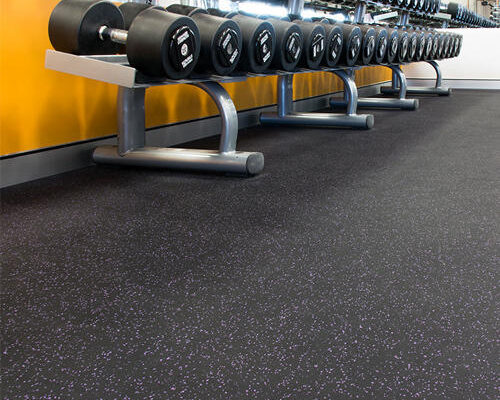
As sustainability becomes a major focus in interior design, homeowners, architects, and businesses are seeking environmentally responsible solutions that do not compromise on style, comfort, or durability. One flooring option that is gaining increasing popularity in green interiors is eco-friendly rubber flooring. Made primarily from recycled rubber materials such as old tires, rubber flooring offers a perfect combination of durability, low environmental impact, and aesthetic versatility. Whether for a residential home, gym, office, or commercial space, rubber flooring provides sustainable choices that align with modern green living principles.
Why Choose Eco-Friendly Rubber Flooring?
Rubber flooring stands out because it effectively addresses both environmental concerns and functional requirements. Traditional flooring materials like vinyl, laminate, or hardwood often involve resource-intensive production or non-recyclable components, which can have long-term environmental consequences. In contrast, eco-friendly rubber flooring is mostly made from recycled rubber, significantly reducing landfill waste and conserving natural resources. By choosing recycled rubber products, you are giving new life to materials that would otherwise pollute the environment.
Beyond sustainability, rubber flooring offers practical benefits. It is durable, resilient, and water-resistant, making it suitable for high-traffic areas and spaces prone to moisture. Additionally, its shock-absorbing qualities make it ideal for gyms, playrooms, and offices, reducing the risk of injuries from slips or falls. Eco-friendly rubber flooring also provides excellent thermal insulation and noise reduction, enhancing both comfort and energy efficiency in green interiors.
Types of Eco-Friendly Rubber Flooring
Sustainable rubber flooring comes in various styles and finishes, allowing designers to combine eco-consciousness with visual appeal. The most common types include:
Recycled Rubber Tiles: These interlocking tiles are often made from post-consumer rubber materials, such as tires. They are highly durable, easy to install, and come in multiple colors and textures.
Rubber Rolls: Ideal for larger spaces like gyms, offices, and commercial interiors, rubber rolls provide seamless coverage with minimal joints, reducing maintenance efforts.
Cork-Rubber Blends: Combining natural cork and recycled rubber, these options offer a softer, eco-friendly flooring with excellent sound absorption and a unique textured look.
Colored and Patterned Rubber Flooring: Sustainable rubber flooring is no longer limited to industrial black or grey tones. Modern manufacturing techniques allow vibrant colors, speckled patterns, and even faux wood finishes, making it versatile for both contemporary and traditional interiors.
Environmental Benefits of Rubber Flooring
The environmental impact of flooring materials is a crucial factor in sustainable interior design. Rubber flooring offers several green advantages:
- Waste Reduction: Using recycled rubber prevents millions of tires and other rubber products from ending up in landfills every year.
- Low Carbon Footprint: Manufacturing recycled rubber flooring consumes less energy than producing new synthetic or natural materials.
- Non-Toxic and Low VOC: Many eco-friendly rubber flooring options are free from harmful chemicals and emit minimal volatile organic compounds, ensuring healthier indoor air quality.
- Long Lifespan: Rubber flooring can last 10–20 years or more with proper care, reducing the frequency of replacement and associated environmental costs.
Where to Use Eco-Friendly Rubber Flooring
The versatility of rubber flooring makes it suitable for a wide range of interior spaces:
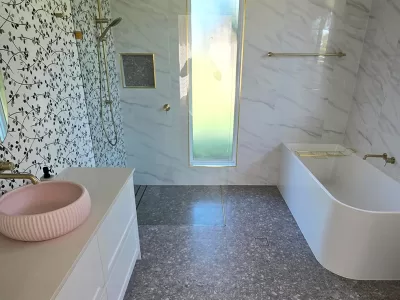
- Residential Spaces: Kitchens, laundry rooms, home gyms, basements, and children’s play areas benefit from rubber flooring’s durability, water resistance, and comfort.
- Commercial Spaces: Offices, hospitals, and retail stores can use rubber flooring for its slip resistance, noise absorption, and low maintenance.
- Fitness Centers and Sports Facilities: Gyms and yoga studios favor rubber flooring because it can withstand heavy foot traffic, provide shock absorption, and prevent equipment damage.
- Outdoor Areas: Certain rubber flooring products are UV-resistant and suitable for patios, playgrounds, and garden paths, combining safety and sustainability.
Maintenance and Longevity
Maintaining eco-friendly rubber flooring is relatively simple, which adds to its appeal. Regular sweeping or vacuuming removes dust and debris, while damp mopping with a mild soap solution keeps it clean. Unlike wood or carpet, rubber flooring does not require waxing or polishing, saving both time and chemicals. Its durability ensures minimal wear and tear even in high-traffic areas, making it a long-lasting, cost-effective investment for green interiors.
Designing Stylish Green Interiors
Modern eco-friendly rubber flooring goes beyond functionality; it enhances aesthetic appeal as well. Designers now use rubber tiles and rolls in creative patterns, contrasting colors, and even geometric designs to make interiors both sustainable and visually striking. By integrating rubber flooring with other eco-friendly materials like bamboo, recycled glass, or reclaimed wood, homeowners and businesses can create interiors that are stylish, sustainable, and forward-thinking.
Conclusion
Eco-friendly rubber flooring is more than just a functional solution; it is a commitment to sustainability and conscious living. By incorporating recycled rubber into homes, offices, and commercial spaces, you reduce environmental impact while enjoying durable, safe, and stylish flooring. With diverse designs, easy maintenance, and unmatched versatility, eco-friendly rubber flooring is a smart choice for anyone looking to create green interiors without compromising on quality or aesthetics. As more people embrace sustainable living, rubber flooring Dubai continues to prove itself as an essential element in modern, eco-conscious design.




Comments