
 By
By 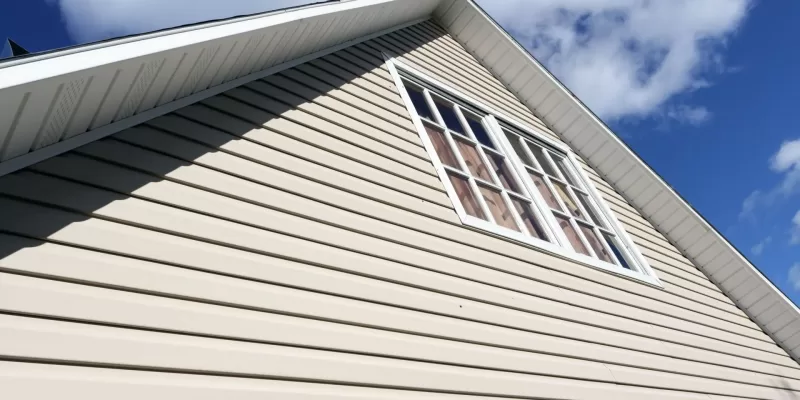
If you have been searching for siding replacement near me, you are probably ready to do more than just improve curb appeal. In many cases, homeowners start looking into new siding because of visible wear, rising maintenance costs, moisture concerns, or a desire to improve energy efficiency. Replacing siding is one of the most valuable exterior upgrades you can make, but many homeowners are unsure what the actual process involves.
Understanding each stage of the project can help you prepare, ask better questions, and feel more confident before work begins. Whether you are planning siding replacement in Morris County NJ or exploring options in nearby communities, knowing what to expect makes the experience smoother from start to finish.
Why homeowners choose to replace siding
Siding replacement is often driven by a mix of practical and visual reasons. Some homes have obvious damage such as cracks, warping, loose panels, rot, or fading. Others may appear fine on the surface but have hidden moisture problems or poor insulation performance underneath.
Homeowners also choose to replace siding to:
- Improve weather protection
- Reduce exterior maintenance
- Boost energy efficiency
- Update the home’s appearance
- Increase resale value
In North Jersey, where homes face changing temperatures, snow, rain, humidity, and strong seasonal weather shifts, siding has to work hard year-round. Once older materials begin to fail, replacement is often more cost-effective than repeated repairs.
Step 1: The initial inspection and consultation
The process usually starts with a site visit and a full exterior inspection. During this stage, a contractor evaluates the current condition of the siding, identifies visible damage, and checks for signs of underlying issues such as moisture intrusion, wood rot, or wall deterioration.
This consultation is also the time to discuss your goals. Some homeowners are mainly focused on durability, while others want improved insulation, lower energy bills, or a more modern appearance. The contractor may also review different siding materials, color options, trim details, and project timelines.
If you are considering siding replacement in Passaic County NJ, this step is especially important because homes can vary widely in age, construction style, and exposure to weather. A careful inspection helps ensure the replacement plan fits the property rather than applying a one-size-fits-all approach.
Step 2: Material selection and project planning
Once the inspection is complete, the next step is choosing the right siding material and finalizing the scope of work. Popular options often include vinyl, insulated vinyl, fiber cement, and engineered wood. Each material has different advantages in terms of maintenance, appearance, durability, and cost.
At this stage, the contractor typically outlines:
- The materials being used
- Estimated project duration
- Preparation requirements
- Expected start date
- Cost breakdown and warranty information
This planning phase is also a good time to ask how debris will be handled, whether trim and soffit work are included, and what happens if hidden damage is discovered once the old siding is removed.
Step 3: Preparing the property
Before installation begins, homeowners may need to do a small amount of preparation around the outside of the home. This often includes moving patio furniture, grills, potted plants, decorations, and vehicles away from the immediate work zone.
Contractors may also recommend securing fragile items inside the house, especially wall décor or shelves near exterior walls, since vibrations from removal and installation can sometimes affect them.
Good preparation helps the crew work efficiently and protects your property during construction.
Step 4: Removing the old siding
Once the project begins, the first major phase is the removal of the existing siding. This part of the process can reveal important information about the condition of the home beneath the surface. In some cases, everything underneath is in good shape. In others, the crew may find rot, water damage, old repairs, or deteriorated sheathing that needs attention before the new siding is installed.
This is one of the most valuable parts of a full replacement. It gives homeowners a chance to address hidden problems that patchwork repairs may never fully resolve.
A professional crew will remove old materials carefully, dispose of debris properly, and inspect the exposed wall system before moving forward.
Step 5: Repairing and preparing the surface
After removal, the next step is to make sure the wall surface is ready for the new installation. If damaged sheathing, framing, or moisture barriers are found, those areas are repaired first. The crew may also install or update weather-resistant barriers to improve moisture protection and support the long-term performance of the siding system.
This stage matters because even the best siding will not perform properly if it is installed over compromised surfaces. A strong foundation underneath helps prevent future issues and extends the lifespan of the finished exterior.
Step 6: Installing the new siding
With the home properly prepped, the installation of new siding begins. This is where the project starts to visibly transform the home. Panels or boards are installed according to manufacturer specifications, with close attention to alignment, spacing, trim work, corners, and ventilation details.
Proper installation is just as important as material choice. Even high-quality siding can fail early if it is not installed correctly. Experienced contractors understand how to account for expansion and contraction, moisture control, and local climate conditions.
For homeowners searching for siding replacement near me, the quality of installation should be one of the top factors when choosing a contractor, not just the quoted price.
Step 7: Final detailing and cleanup
After the siding is installed, the crew completes the finishing touches. This may include trim adjustments, sealing around windows and doors where needed, and checking all visible transitions for a clean appearance.
A final walkthrough typically follows. During this review, the contractor should explain what was completed, answer any remaining questions, and go over maintenance recommendations and warranty details.
Cleanup is also part of the final stage. Nails, old materials, packaging, and debris should be removed so the property is left in good condition.
What homeowners should expect overall
Most siding replacement projects involve some noise, steady activity around the home, and short-term disruption, but the long-term benefits are often well worth it. A properly completed project can improve protection, reduce maintenance, increase efficiency, and give the home a more updated appearance.
The most important thing is to work with a contractor who communicates clearly, inspects thoroughly, and treats the replacement as a full exterior improvement rather than a simple cosmetic upgrade.
When done right, siding replacement is not just about putting new material on the outside of a house. It is about strengthening the home, protecting what is underneath, and giving homeowners greater confidence in the condition of their property for years to come.
If you want a deeper explanation, you can check out this Top Siding Replacement Service in North Jersey







Comments