
 By
By 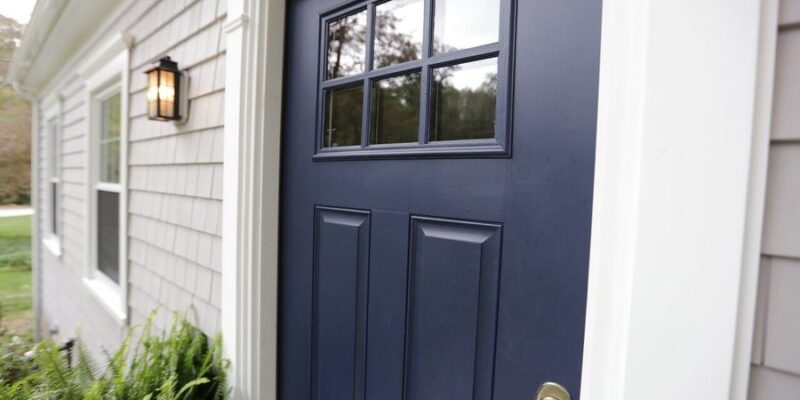
In today’s fast-paced housing market, homeowners are constantly looking for ways to enhance their properties without breaking the bank. One often-overlooked upgrade that can deliver significant returns is replacing your house doors (haustüren). Whether it’s the front entry door that greets visitors or interior doors that define your living spaces, a strategic door replacement can boost curb appeal, improve energy efficiency, and even increase your home’s value—all on a budget. If you’re tired of drafty, outdated doors that drag down your home’s aesthetics and functionality, budget-friendly house door replacements offer quick wins that any homeowner can achieve.
This guide dives into practical, cost-effective strategies for door replacements. We’ll explore why it’s worth the effort, how to choose affordable options, installation tips, and more. By the end, you’ll have the knowledge to transform your home economically and efficiently.
Why Consider Door Replacements on a Budget?
Doors are more than just entry points; they’re integral to your home’s security, insulation, and style. Over time, wear and tear from weather, daily use, or poor initial quality can lead to issues like warping, sticking, or energy leaks. According to home improvement experts, replacing old doors can reduce energy bills by up to 15-20% by sealing gaps that let in drafts.
For budget-conscious homeowners, the good news is that you don’t need a complete overhaul. Affordable door replacements focus on high-impact changes that yield quick results. Think about it: a fresh front door can instantly elevate your home’s exterior, making it more inviting and potentially increasing resale value by 5-10%, as per real estate data. Interior doors, meanwhile, can refresh rooms without the cost of full renovations.
Common reasons to replace include enhanced security—modern doors often come with better locks and materials resistant to break-ins—and improved accessibility for families with mobility needs. Plus, in an era of rising utility costs, energy-efficient doors with proper insulation are a smart, low-cost investment that pays off over time.
Assessing Your Current Doors: Where to Start
Before diving into replacements, evaluate what you have. Start with a thorough inspection: Check for visible damage like cracks, rot, or peeling paint. Test for drafts by holding a lit candle near the edges—if the flame flickers, air is seeping through. Measure energy loss by feeling for temperature differences around the frame.
Consider the door’s material and age. Wooden doors, while classic, may warp in humid climates, whereas steel or fiberglass options hold up better in varied weather. For interior doors, hollow-core models are cheap but lack durability; upgrading to solid-core on a budget can add soundproofing without excess expense.
Budget tip: Prioritize doors based on need. The front door often takes priority for curb appeal, followed by high-traffic areas like kitchen or bathroom doors. Use online tools or apps to estimate costs—many hardware stores offer free calculators. This assessment ensures your replacements are targeted, avoiding unnecessary spending.
Exploring Budget-Friendly Door Materials and Styles
When it comes to affordable house door replacements, material choice is key to balancing cost and quality. Steel doors are a top pick for budgets under $500; they’re durable, low-maintenance, and provide excellent insulation. Available in various finishes, they mimic wood grains without the upkeep.
Fiberglass doors offer similar benefits at a slightly higher price point (around $300-$800), excelling in energy efficiency and resistance to dents or scratches. They’re ideal for exterior use in harsh weather zones. For a traditional look, pre-hung wooden doors can be found for $200-$600, but opt for engineered wood to cut costs and prevent warping.
Styles matter too. Slab doors (just the door panel) are the cheapest option at $100-$300, perfect for DIY swaps if your frame is intact. Pre-hung doors, including the frame, cost more ($200-$700) but simplify installation. For quick wins, consider trendy designs like barn doors for interiors—they’re stylish, space-saving, and often under $400 installed.
Don’t forget eco-friendly options: Recycled or composite materials keep costs low while appealing to green-minded buyers. Shop sales at big-box stores like Home Depot or Lowe’s, where discounts can slash prices by 20-30%.
DIY vs. Professional Installation: Weighing the Options
One of the biggest quick wins in budget-friendly door replacements is deciding between DIY and hiring pros. DIY can save 50% or more on labor costs, which typically run $150-$500 per door. If you’re handy, replacing an interior door might take just an afternoon with basic tools like a screwdriver, level, and shims.
Start by removing the old door: Unscrew hinges, pop out pins, and lift it off. Measure twice to ensure the new door fits—standard sizes are 80 inches high by 28-36 inches wide. For exterior doors, add weatherstripping and sealant to prevent leaks. Online tutorials from YouTube channels like This Old House make it accessible even for beginners.
However, for complex jobs like adjusting frames or ensuring security compliance, professionals are worth it. They handle permits if needed and guarantee alignment, avoiding costly mistakes. Budget hack: Look for local handymen on platforms like TaskRabbit for rates under $50/hour, or bundle multiple door replacements for discounts.
Cost-Saving Strategies for Maximum Impact
Stretching your budget further requires smart tactics. First, buy during off-seasons—fall and winter often see door sales as demand dips. Second-hand options from sites like Craigslist or Habitat for Humanity ReStores can yield gently used doors for $50-$200.
Bulk purchasing for multiple doors nets discounts, and combining with other upgrades like hardware (knobs, locks) keeps things cohesive without extra trips. Energy rebates from utilities or government programs can offset costs—check Energy Star ratings for qualifying doors.
Accessorize affordably: A $20 paint job or $50 decorative glass insert can transform a basic door into a standout feature. For front doors, add sidelights or transoms from salvage yards to enhance light without full replacement.
Enhancing Curb Appeal with Affordable Door Upgrades
Your front door is the focal point of your home’s exterior, so budget-friendly replacements here deliver the quickest visual wins. Choose colors that pop—bold reds or blues for modern vibes, or neutrals for timeless appeal. Adding a smart lock ($100-$200) boosts security and convenience.
For interiors, sliding or pocket doors save space in tight areas, costing $150-$400. French doors between rooms add elegance for under $500, creating an open feel without walls coming down.
Incorporate trends like matte black hardware or frosted glass panels to modernize without overspending. Remember, curb appeal isn’t just aesthetic; it influences buyer perceptions, potentially speeding up sales if you’re flipping.
Maintenance Tips to Extend Door Longevity
To ensure your budget replacements last, regular maintenance is crucial. Clean doors monthly with mild soap to prevent grime buildup. For wooden doors, apply sealant annually to guard against moisture.
Inspect hinges and weatherstripping seasonally—replace worn strips for $10-$20 to maintain efficiency. Lubricate locks and hinges with graphite powder to avoid squeaks. In humid areas, use dehumidifiers to prevent swelling.
Proactive care can double a door’s lifespan, turning a quick win into long-term savings. If issues arise, address them early to avoid full replacements down the line.
Common Mistakes to Avoid in Door Replacements
Even on a budget, pitfalls can inflate costs. Measuring incorrectly is a big one—always double-check dimensions. Ignoring local building codes might lead to fines; research requirements for exterior doors.
Skimping on quality for the cheapest option often backfires with early failures. Instead, read reviews and choose mid-range products from reputable brands like Masonite or Jeld-Wen.
Overlooking insulation value means higher energy bills—aim for doors with U-factors under 0.30. Finally, rushing installation without proper tools can cause misalignment, leading to drafts or security gaps.
Eco-Friendly and Sustainable Door Choices
Sustainability is a growing priority, and budget-friendly options abound. Bamboo or reclaimed wood doors offer green alternatives at $300-$600. Energy-efficient models with foam cores reduce carbon footprints while cutting bills.
Look for FSC-certified materials to ensure ethical sourcing. Recycled steel doors minimize waste, and many come with warranties up to 20 years. These choices not only save money but align with eco-conscious living.
Conclusion: Unlock Value with Smart Door Replacements
Budget-friendly house door replacements are a homeowner’s secret weapon for quick, impactful upgrades. From assessing needs to selecting materials and mastering installation, these strategies deliver enhanced aesthetics, efficiency, and security without draining your wallet. Whether DIY or pro-assisted, the key is planning and prioritizing high-return changes.
Investing in affordable doors today can yield dividends in comfort, savings, and home value tomorrow. Ready to get started? Head to your local store or online retailer and explore options that fit your style and budget. Your home—and your bank account—will thank you.
Home improvements should be an exciting journey rather than a stressful ordeal. Working with PLANSPLUS allows you to focus on the creative aspects of your project while they handle the technical documentation. Their transparent pricing and clear communication make them a trusted choice for residential developments across the United Kingdom.








Comments