
 By
By 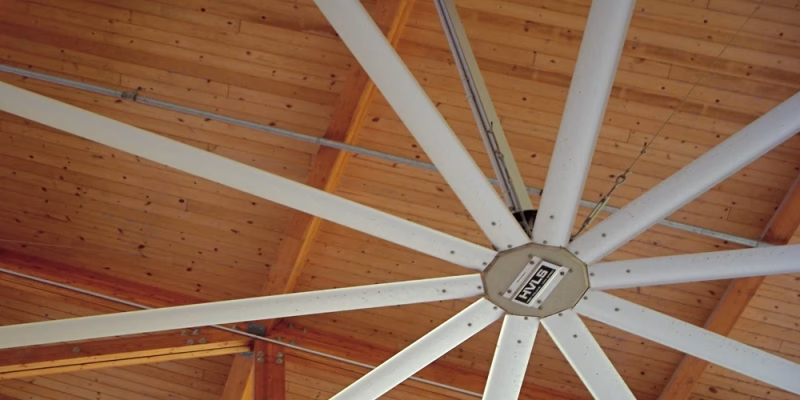
Key Takeaways
HVLS fans significantly enhance air quality and comfort in expansive areas. They create a soft breeze, help maintain stable temperatures, and improve oxygen levels, all of which can boost employee productivity.
When airflow is optimized, employee morale and retention tend to rise. Workers are more inclined to stay in environments that offer adequate ventilation, leading to decreased fatigue.
Furthermore, HVLS fans proficiently manage humidity by fostering steady air circulation. This action can help prevent mold growth and reduce allergens in the workplace.
To achieve successful HVLS fan installation, thorough preparation is essential. This includes evaluating space dimensions, pinpointing potential airflow barriers, and ensuring easy access to electrical outlets for optimal performance.
Although the initial investment in HVLS fans might seem steep, businesses often offset this with considerable long-term energy savings. Many report up to a 30% reduction in energy costs over time.
Maintenance is generally minimal for HVLS fans. Routine checks of fan blades, electrical connections, and occasional cleaning are usually sufficient to keep them running efficiently.
Additionally, customizing HVLS fan systems allows them to fit unique space requirements, ensuring they perform at their best while integrating seamlessly with existing HVAC systems.
The Impact of HVLS Fans on Air Quality and Comfort
Proven Benefits of Enhanced Airflow in Large Spaces
HVLS fans, or High Volume Low Speed fans, have established themselves as crucial elements in industrial and commercial settings. Experts highlight their benefits regarding air quality and comfort, especially in larger environments. These fans differ from traditional ones, as they produce a gentle and widespread breeze, ensuring a consistent temperature. By improving oxygen levels, they can lead to heightened productivity among staff. Many businesses discover that enhanced air circulation creates a more enjoyable atmosphere, which can decrease the presence of hot spots and stuffy conditions.
Studies show that adequate airflow has a positive effect on employee morale, which can lead to improved retention rates. Comfortable environments encourage staff to stay longer, and a marked reduction in fatigue supports the vital link between workplace climate and performance.
How HVLS Fans Control Humidity Levels Effectively
Managing humidity is essential for preserving a healthy environment. Elevated humidity can foster mold growth and trigger allergens. Implementing HVLS fan installations can efficiently address these challenges. By pulling moisture-laden air away from workspaces and providing consistent airflow, these fans help regulate humidity effectively.
Professionals often recommend keeping these fans running continuously at low speed to optimize moisture control. This constant motion aids in the evaporation of surface moisture, particularly in spaces such as warehouses or expansive retail areas. Clients typically report improved comfort levels when humidity is kept in check, contributing to a healthier work atmosphere.
Step-by-Step Guide to the HVLS Fan Installation Process
Preparing Your Space for Maximum Efficiency
Preparation is paramount for the effective installation of HVLS fans. Evaluating space dimensions and airflow patterns is crucial. Properly determining fan locations allows airflow to cover the entire area efficiently.
- Measure the ceiling height: This will guide the appropriate fan size and blade length.
- Identify airflow obstacles: Consider the placement of structures like racking and columns that may disrupt airflow.
- Plan electrical access: Ensure that power sources are easily accessible for smooth operation.
Once these factors are assessed, testing airflow patterns should be considered. Using smoke sticks or other easily accessible tools can help visualize air movement. Understanding the current airflow dynamics will lead to enhancements in efficiency after installation.
Key Considerations During the Installation Phase
Installation is more than just attaching the fans. Each unit requires precise alignment for optimum effectiveness. Consulting skilled technicians is wise, especially given potential challenges. Here are important considerations to keep in mind:
- Weight distribution and support: Confirm the existing structure can support the fan’s weight.
- Power supply specifications: Verify that the fans are compatible with the voltage and phase of the electrical system.
- Safety protocols: Adhere to local building codes and safety standards to minimize risks.
Cost-Benefit Analysis of HVLS Fan Solutions for Businesses
Measuring ROI: Energy Savings Over Time
The upfront expense of HVLS fan installation might seem daunting, but upon closer inspection, it reveals substantial long-term advantages. A key selling point of these fans is their energy efficiency. By delivering air evenly, they lessen the dependence on heating and cooling systems. Businesses can anticipate notable savings, often recouping installation costs in a span of one to two years.
“Companies report up to a 30% reduction in energy costs when using HVLS fans.”
Quantifying long-term savings can be done by tracking energy bills and evaluating how climate control systems function in conjunction with the fans. Those who take these fans into account typically find unexpected financial benefits.
Long-Term Maintenance: What to Expect
Once installed, maintenance of HVLS fans becomes far less daunting. These fans are built for durability and generally need minimal care. Regular periodic inspections are typically sufficient to keep them functioning smoothly. Here’s a quick guideline:
- Inspect fan blades: Check for signs of wear or damage every 6-12 months.
- Check electrical connections: Ensure that everything remains secure and operational.
- Clean accumulated dust and debris: Routine cleaning helps maintain efficiency and extends the life of the fan.
By following these maintenance practices, businesses can benefit from these systems without incurring excessive maintenance costs or downtime.
Real-World Applications of HVLS Fan Technology
Case Studies: Success Stories from Various Industries
HVLS fan technology has demonstrated effectiveness across various sectors. A prominent case can be found within large warehouses, where enhanced airflow helps maintain stable temperatures and boosts employee comfort. Companies like XYZ Logistics have reported notable increases in worker satisfaction after incorporating these fans into their spaces.
Another illustrative example comes from a manufacturing facility facing equipment overheating challenges. After installing HVLS fans, temperature stability improved, preventing potential shutdowns and reduction in costly repairs. These scenarios underline how versatile HVLS fans can be in addressing specific operational challenges across different industries.
Adapting HVLS Fans for Unique Space Requirements
The customization of fan systems is vital for meeting specific spatial demands. In situations involving high ceilings or uniquely shaped areas, professionals often recommend custom-engineered fan solutions tailored to individual needs. Adjustments can be made regarding fan size, blade length, and speed settings.
- Tailored performance settings: Configure fans for various operational modes based on peak usage times.
- Integration with HVAC systems: Ensure that fans harmonize effectively with existing systems for improved efficiency.
- Design aesthetics: Some businesses overlook the visual impact. Thoughtful designs can enhance the space’s aesthetics while providing essential functionality.
Each unique demand offers a chance for tailored solutions. Identifying specific requirements early on often leads to enhanced operational efficiency and greater employee satisfaction.
FAQ
What factors influence the size of the HVLS fan needed for a space?
The size of the fan is primarily dictated by ceiling height and the dimensions of the ventilated area. Professionals suggest measuring the square footage and identifying any airflow barriers to ensure optimal air distribution throughout the entire space.
How can HVLS fans enhance energy efficiency beyond just air circulation?
These fans improve air circulation and decrease the load on heating and cooling systems. By maintaining a stable temperature, HVLS fans enable HVAC systems to function more efficiently, resulting in significant energy savings.
Are HVLS fans suitable for outdoor applications as well?
While they are predominantly used indoors, HVLS fans can also perform well in covered outdoor environments. They assist in regulating airflow and temperature in areas such as patio dining, event venues, and sports facilities, enhancing comfort for guests and attendees.
What industries have seen the most significant benefits from HVLS fans?
HVLS fans have had success in several sectors, including manufacturing, warehousing, and retail. Industries that rely on large, open areas where temperature regulation and employee comfort are essential often witness marked improvements post-installation.
How do HVLS fans compare to traditional ceiling fans?
HVLS fans produce a softer breeze that covers a larger area compared to traditional ceiling fans, which are generally effective only in smaller spaces. Their capability to operate at lower speeds while still efficiently circulating air distinguishes them as a superior choice for expansive environments.
Can HVLS fans be integrated with existing HVAC systems?
Indeed, integration often stands out as a key benefit. Professionals can configure HVLS fans to work collaboratively with existing HVAC systems, boosting overall performance and enabling smarter climate control across the facility.
What custom features can be added to HVLS fans for specific environments?
Custom options may include adjustable performance settings during peak usage times or aesthetic modifications to align with the brand’s identity. Such enhancements ensure that the fans operate efficiently while also enriching the overall environment.
How often should businesses schedule maintenance checks for their HVLS fans?
Routine checks every six to twelve months are typically advised to maintain optimal performance. This regular maintenance includes inspecting fan blades and electrical connections, which helps prolong the system’s lifespan.
Useful Resources
- National Fire Protection Association (NFPA)
- Occupational Safety and Health Administration (OSHA)
- American Society of Heating, Refrigerating and Air-Conditioning Engineers (ASHRAE)
- Environmental Protection Agency (EPA)
- U.S. Department of Energy
- Airstreams (HVLS Fan Solutions)
- Trane (HVAC Solutions)
- Micron Air (Air Quality Solutions)
- IHS Markit (Market Research and Data)






Comments