
 By
By 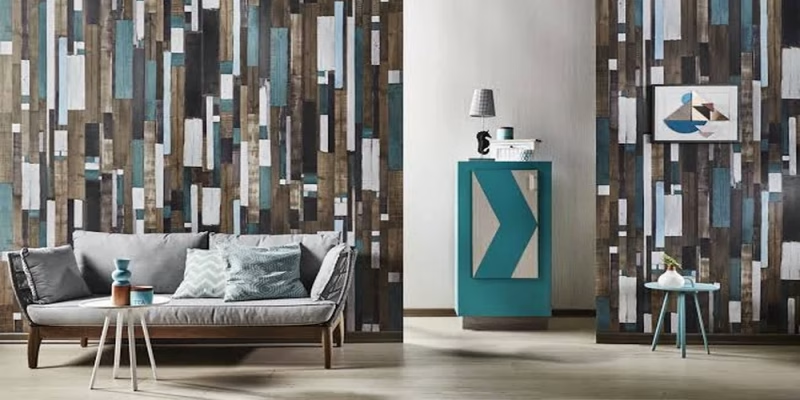
Nowadays, homeowners or designers are seeking materials that are durable, visually appealing, and affordable. With AI for Architects, the process of selecting surface materials has become easier which helps reduces costs, improve durability, increase efficiency through reduced material wastage, minimize environmental impact, and speed up the selection process for architects and designers.
Artificial intelligence tools integrate with 3D models to instantly visualize and compare textures such as stone, wood, metal, and fabric while maintaining structural form.
How AI is assisting architects
Modern interiors have changed quite a lot over the decade. Earlier the selection of paints or materials was more manual. As AI has flourished, it has eased the pressure of selecting materials for architects and designers. AI provides insightful data and eases the material selection process by enabling digital preview, pattern coordination and customized layout visualization.
With the digital preview option, it helps simulate how a specific laminate texture, woodgrain or solid-color will look under different lighting conditions before installation.
Smarter Investment: How AI helps with cost-effective projects
AI mimics and refines surface patterns, wood grains, and stone finishes, reducing cost and waste. It drives cost-effectiveness in the decorative laminates industry by optimizing the manufacturing process, reducing waste and comparing local suppliers.
It provides detailed information on the quantities of resources required before the installation process, which in turn reduces waste and prevents rework.
We often compare prices manually with multiple suppliers, which can be confusing and time-consuming, with AI smart technology, it provides you with cost comparisons across the supply chain, where we can source materials at a lower price without impacting the quality and finish.
Will AI Replace Human Creativity
AI provides quick interior solutions by converting room photos and sketches into 3D renders. AI generates ideas, concepts, layouts, and realistic renders, but lacks empathy, creativity, emotion, and the expertise. AI will instantly provide us with data based on previous projects, offer styling options, and suggest colors and textures.
Meanwhile an expert will understand the emotion behind the client’s requirements, sentiments and lifestyle. They will precisely check ventilation, lighting, and coordinate with the vendors.
How AI Transforms Surface Materials
Are you unsure if the material you selected will provide the desired outcome? Then you are in the right spot. AI transforms surface materials in interior spaces by providing digital visualizations, texture synthesis, and material matching. Designers use different platforms to switch between finishes, provide information on sustainable products, and match decorative laminates and surfaces with Dorby Canvas across walls and furniture. AI smart design technology transforms interior spaces using computer vision and machine learning, generating 3D photorealistic renderings and layouts, customizing color and material palettes instantly from a simple text prompt to room photos.
AI generates textures and patterns rapidly. Digital preview shows how light, color and patterns will look in the room before installation. Applying Dorby Canvas adds depth to accent walls.
Frequently Asked Questions (FAQs)
1. Can AI replace human touch?
No, AI cannot replace a human touch. It’s a decision-making tool, and the expertise and creativity lie with the designers. They understand the culture and emotion of a client’s requirements and transform the space accordingly.
2. How does AI help in comparing choices?
AI helps people understand laminate textures, finishes, colors, and patterns more clearly, making it easier to compare options without confusion. It also enables price comparisons across different local suppliers without impacting quality or performance.



Comments