
 By
By 
Building defects can turn a completed project into a costly dispute. Water entry, cracking, faulty waterproofing, unsafe structural work and incomplete items may all demand attention. Parties may also disagree about the cause, repair and responsibility.
Australian construction disputes involve contracts, technical evidence and legislation. A disciplined early response can protect the building and improve the prospects of resolution.
What Makes Building Work Defective?
Work may be defective if it does not meet the contract, approved plans, specifications, technical requirements or a legally required standard. Problems can arise from design, materials, installation or supervision.
The contract should be the first reference point. It may define the required outcome, tolerances, inspection process and defect liability period. Relevant legislation may add statutory warranties or other obligations that cannot be understood from the contract alone. For eligible consumer transactions, the ACCC explains that consumer guarantees for services include due care and skill and fitness for a disclosed purpose.
An early technical opinion can distinguish a defect from normal movement or maintenance issues and identify urgent safety or weatherproofing measures.
Record the Problem Before It Changes
Good evidence often determines whether a claim can be proved. Photographs should show the defect’s location, scale and progression. Keep dated videos, site notes, emails, inspection records and written notices. Preserve damaged materials where practical.
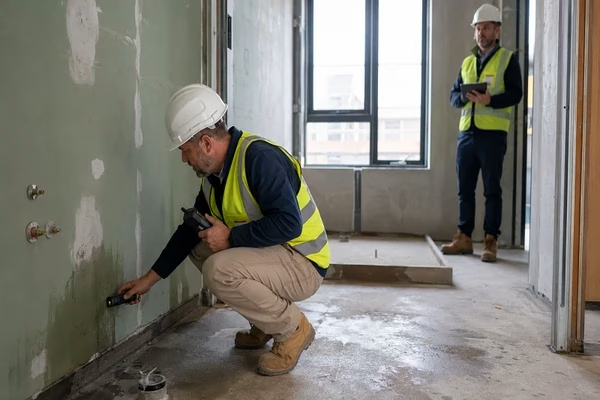
The project file should include the signed contract, drawings, specifications, variations, payment records, certificates, programmes and relevant correspondence. A clear chronology can reveal when the issue appeared, who was told and what response followed.
Avoid carrying out broad permanent repairs before the other party has a reasonable opportunity to inspect, unless urgent work is needed to protect people or property. If immediate action is required, document the condition and the reason for acting. A suitably qualified expert may then address the nature of the defect, its cause, the relevant departure, a repair method and reasonable cost.
Give Notice and Watch Every Deadline
Many contracts prescribe how and when a defect or dispute notice must be served. A casual phone call may not satisfy those terms. Written notices should identify each item clearly, refer to the relevant obligation where possible and request a response within an appropriate period.
Time limits can arise under the contract, limitation legislation, statutory warranty regimes, home warranty schemes and regulator procedures. They differ across states and territories and may depend on the project, parties and remedy. For example, Queensland’s defective work resolution process includes assessment, access for inspection and possible regulator inspection. Other jurisdictions use their own agencies and procedures.
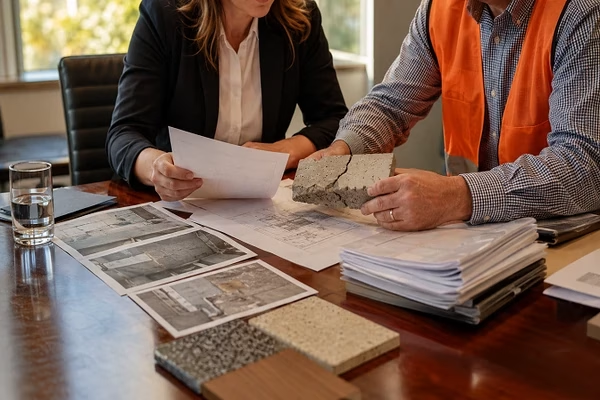
Do not assume that sending a defect notice stops a statutory limitation period. Early advice is especially important when completion occurred years ago, a deadline is approaching, or another party may be insolvent.
Identify the Right Parties and Remedy
Responsibility can extend beyond the builder. Designers, engineers, certifiers, subcontractors, suppliers, developers or owners may become relevant, depending on their contracts, conduct and the governing law. One party may have a direct claim against another and separate rights of contribution or recovery elsewhere in the contractual chain.
The remedy must fit the evidence. A claim may seek rectification, damages representing reasonable repair costs, compensation for resulting loss, or another order available in the chosen forum. The claimant should also take reasonable steps to limit avoidable loss. Temporary protection, sensible access and proportionate investigation can matter when costs are later assessed.
Choose a Proportionate Resolution Path
Not every case needs a final court hearing. A detailed defect schedule, exchange of expert views and focused negotiation may narrow the dispute. Mediation can help the parties test cost, delay and commercial risk while retaining control over any settlement.
If agreement is not possible, the correct next step may involve a regulator, tribunal, arbitration or court. Payment claims and adjudication can follow separate security-of-payment rules with short deadlines. The best forum depends on jurisdiction, contract terms, claim value, urgency and the orders required.

Experienced Construction lawyers in Australia can review the contract, protect notice rights, coordinate technical evidence, identify responsible parties and develop a strategy suited to the dispute. This work is most effective before positions harden or critical dates pass.
Act Early and Build the Case Carefully
A practical defect claim begins with safety, evidence and accurate notice. It then requires a realistic view of causation, repair cost and the most efficient route to an enforceable outcome. Baker Merz Lawyers can assess the documents and circumstances of a construction dispute and advise on appropriate next steps. Visit the firm’s website to begin a focused legal review.











Comments