
 By

A standby generator is one of the few home purchases you hope to use rarely and need to work every time. In Middle Tennessee, outages come from summer thunderstorms, ice on power lines, high winds, and the occasional tornado. If you work from home, keep medicine in the fridge, or run a sump pump, a few hours without power becomes a real problem.
I wrote this guide for homeowners who already know why they want a generator and now need to buy the right one. I built it from the questions buyers ask most, the mistakes that cost people money, and the standards a good installer follows. The recommendations here are the ones I would want you to weigh before you sign anything.
You will learn how to size a unit, choose a fuel, understand the transfer switch, plan for permits and placement, and judge an installer. I also point you to Nashville Electrician, an electrical contractor that installs whole-home standby generators and transfer switches sized to what your household needs to run.
Start With What You Need to Run
Most buyers begin by looking at generator brands. I suggest you begin with a list instead.
Walk through your home and write down what must stay on during an outage. Then decide what would be nice to have. Your list might look like this:
- Refrigerator and freezer
- Furnace blower or heat pump
- Central air conditioning
- Sump pump
- Well pump, if you have one
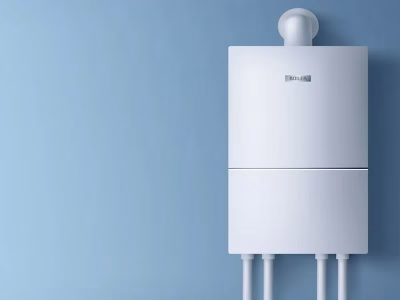
- Water heater
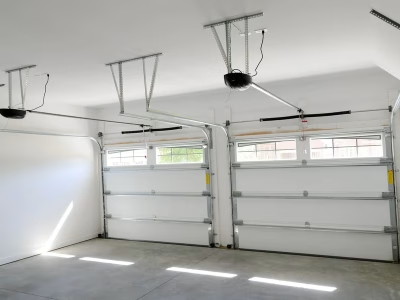
- Garage door opener
- Internet router and a few outlets
- Lights in main living areas
Air conditioning and electric water heaters draw the most power. Dropping one of them from your list can shrink the generator you need and lower the price by a lot.
Your installer should add up the starting load and running load of each item. Starting load is the burst of power a motor needs when it turns on. A generator that ignores it will stall or trip under pressure. Ask for the math in writing.
Whole-Home or Partial-Home
There are two common approaches.
Whole-home backup powers nearly everything in your house. It needs a larger unit and costs more, but nobody has to choose which appliance runs.
Partial-home backup powers a chosen set of circuits. It costs less and works well for many families.
I lean toward partial backup for most homes, as long as the chosen circuits cover heating or cooling, food storage, and water. Whichever path you take, the generator should match your real usage, not a guess.
Choose Your Fuel
Standby generators in this area run on natural gas or propane.
Natural Gas
- It comes from your utility line, so you never refill a tank.
- It suits homes that already have a gas meter with enough capacity.
- It depends on the gas supply staying up during an outage.
Propane
- It stores in a tank on your property, which gives you supply that does not depend on the street line.
- It works for homes without gas service.
- You must monitor the tank level and schedule refills.
Ask your installer to check your gas meter and pipe size before you pick a unit. A line that is too small starves the generator under load. This check takes little time and prevents a costly surprise.
Understand the Transfer Switch
The transfer switch is the part many buyers overlook. It moves your home from utility power to generator power and back. It also keeps your generator from sending power into the utility lines, which protects line workers.
An automatic transfer switch senses an outage, starts the generator, and restores power within seconds. You do not have to be home. Ask your installer how the switch is sized, which circuits it controls, and how it fits with your main panel.
If your panel is old or full, the installer may recommend an upgrade. A good contractor checks first and explains the reason, instead of pushing a new panel by default.
Placement, Permits, and Noise
A generator needs space and clearance from windows, doors, and vents. Local codes set minimum distances from the house and from property lines. Your installer should know them and pull the permits.
Think about these points before installation day:
- Where will the unit sit in relation to bedrooms and your neighbors’ homes?
- Is the ground level and drained well enough for the pad?
- Can the gas line or propane tank reach the spot without a long run?
- Does your homeowners association have rules about equipment?
Standby units run a weekly self-test, usually for a few minutes. Plan the location with that sound in mind.
Look at the Full Price
A fair quote covers the generator, the transfer switch, the pad, the gas connection, the electrical work, the permit, and the inspection. If a quote lists only the unit, ask what is missing.
I prefer firm prices on defined jobs. A generator and transfer switch fit that description. Hourly billing with no cap leaves you guessing about the final bill.
Why Nashville’s Electrician Belongs on Your List
Nashville’s Electrician serves 101 towns across 12 counties of Middle Tennessee. Here is what stands out for a generator buyer.
- They install whole-home standby generators and transfer switches sized to what the household needs to run.
- They give firm fixed prices on defined jobs, including generator transfer switches.
- They pull permits for panels, circuits, and service upgrades.
- They troubleshoot before they recommend a new panel.
- Their partner electrician holds a current Tennessee electrical license and liability insurance, and you can see both before work begins.
- They offer free written estimates and 24 hour emergency response.
Their blog, Shocking News, covers standby generators, which is useful reading before your estimate visit.
Questions to Ask Before You Hire
Bring this list to any installer, including them:
- Is the electrician licensed in Tennessee, and can I see proof?
- Will you calculate my load and show me the numbers?
- What fuel do you recommend for my home, and why?
- Is the permit included, and who schedules the inspection?
- What does the written price include and leave out?
- What does the warranty cover, and who services the unit?
Care After Installation
A generator that sits idle needs attention. Plan on yearly service, which includes oil and filter changes, a battery check, and a test under load. Keep the area around the unit clear of leaves and debris. If you use propane, check the tank level before storm season.
Buy for your real needs, confirm the fuel supply, insist on a permitted and inspected install, and hire a licensed contractor who puts the price in writing. Do those four things and your home will stay powered when the next storm crosses Middle Tennessee.







Comments