
 By
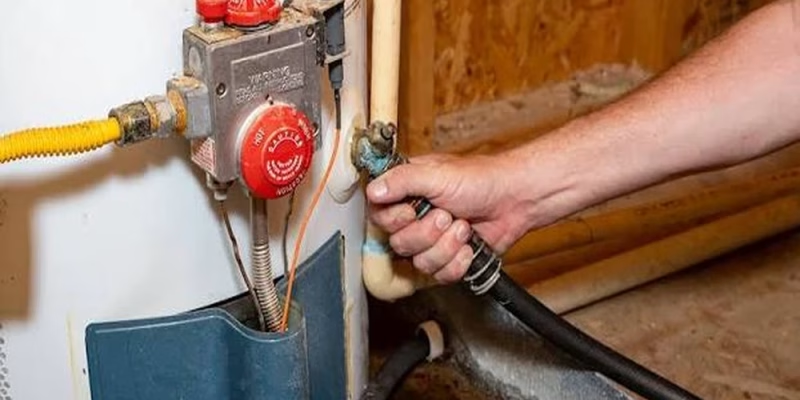
Most water heaters leave a house the same way. Two people haul a rust streaked cylinder up the basement stairs, it lands in the back of a truck, and nobody looks at it again. A tank that has spent ten or twelve years in one corner has been keeping a record the whole time, and its labels, pipes, scorch marks and even the gritty layer sealed in its bottom describe how the household uses hot water and what the next unit will be up against.
Reading those clues before choosing a replacement turns a hurried purchase into an informed one. It also explains why neighbors with identical old tanks can end up with very different new ones.
Anyone lining up a water heater replacement in Ogden can ask for exactly that kind of walkthrough before the old unit gets disconnected. Working out of neighboring Roy, the crew behind djsplumbingut.com covers the whole life of these appliances, from new installs and repairs to the routine maintenance that stretches a tank’s years, so the old heater’s history makes a natural starting point for picking its successor.
The Sticker Holds the Biography
Start with the data plate on the side of the tank. It lists the capacity in gallons, the gas input in BTUs or the wattage of the electric elements, and a serial number that quietly encodes the month and year the heater was built. Every brand hides that date a little differently, and InterNACHI publishes a chart for decoding water heater manufacture dates across most major makers.
The age matters for a simple reason. Conventional tanks commonly last somewhere around eight to twelve years. A heater that gave out at year fourteen simply wore out. One that failed at year six had help, and installing an identical unit without finding that help usually means paying for another one early.
If the family regularly ran out of hot water during morning showers, a bigger tank is not automatically the answer. The number worth comparing on the new unit is the first hour rating, which reflects how much hot water the heater can deliver in a busy hour, and a faster recovering 40 gallon model can sometimes outperform a sluggish 50.
Clues Where the Exhaust Leaves
On a gas heater, look up at the draft hood where the vent pipe attaches. Rust flakes, white crusty deposits or scorch marks there suggest exhaust has been spilling back into the room instead of rising up the flue.
That problem shows up often in Ogden’s older brick homes. Many were built with the water heater and furnace sharing one masonry chimney. When the old furnace was eventually swapped for a high efficiency model venting through plastic pipe out a side wall, the water heater was left alone in a chimney sized for two appliances. A lone small heater cannot warm that much masonry, so the draft stays weak and acidic condensation collects inside the brick. Replacing the heater then means either lining the chimney to suit it or choosing a power vent or direct vent model that ignores the chimney altogether. Burners at roughly 4,300 feet also need setting up for thinner air.
A Rod That Gave Its Life for the Tank
Inside every glass lined steel tank hangs a sacrificial anode rod, usually magnesium or aluminum, that corrodes so the tank walls do not. Pulling it out tells a story.
- A bare steel core with almost no coating left means the rod did its job, ran out, and the tank started dissolving next. The new tank deserves an anode check every few years.
- A rod buried in thick white scale was smothered by hard water minerals before it could finish working.
- Hot water that smells like rotten eggs while the cold side smells fine often points to a magnesium rod reacting with bacteria in the water, and a different rod type usually solves it.
Homes with a water softener should check the rod more often, since softened water tends to consume anodes faster.
The Rumble Settling at the Bottom
Popping or rumbling from a gas tank usually means mineral sediment has piled up on the bottom, trapping pockets of water that flash into steam under the burner. In electric tanks the same debris buries the lower element until it burns out. A tank that coughs out sand and scale when drained means the next heater needs a flushing routine from day one. Hardness varies across the city depending on the water source, and the annual water quality report from the supplier lists the local figure. Higher numbers make a softener or a tankless unit fitted with service valves for descaling worth considering.
Following the Water Out
Where an old heater leaked says a great deal. Water seeping from the bottom seam means the tank itself has failed, and no part will fix it. Water dripping from the relief valve’s discharge pipe, especially right after heavy hot water use, points to pressure.
Homes on sloped streets near the bench often have high street pressure and a pressure reducing valve to tame it, and many meters also carry a check valve. Either one creates a closed system where heated, expanding water has nowhere to go, so the relief valve weeps. A properly sized thermal expansion tank solves that, and a replacement installed without one is likely to repeat the old tank’s dripping. In a finished basement, a drain pan and an automatic leak shutoff valve protect carpet and drywall when the next tank eventually lets go.
Edges, Straps and Tape Measures
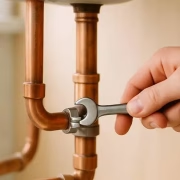
Check the fittings where the water lines meet the tank. Crusty green or orange growth where copper meets steel signals galvanic corrosion, and the new connections should use proper dielectric fittings. Utah also expects water heaters to be held by seismic straps, typically one near the upper third of the tank and one near the lower third, along with a flexible gas connector so a shaking floor does not snap the supply.
Measure before buying anything. Federal efficiency standards that took effect in 2015 pushed many tank models to carry thicker insulation, so a new 50 gallon unit can be wider or taller than the one it replaces. Tight closets sometimes call for a different model or a doorway that comes out for the day.
When the Evidence Points Somewhere New
Sometimes the old tank argues for a different kind of heater altogether. A household that runs out of hot water every morning but uses little the rest of the day may suit a tankless unit, though that often requires a larger gas line and new venting. A roomy unfinished basement can host a heat pump water heater, which pulls warmth from the surrounding air, gently dehumidifies the space, and needs a condensate drain and a dedicated electrical circuit.
The old heater will only be around for a short while once the new one is chosen. Spending a few minutes with it, reading the sticker, looking at the vent, pulling the rod and tracing where the water went, gives the replacement a far better chance of outlasting its predecessor and of fitting the way the house actually lives.

Comments