
 By
By 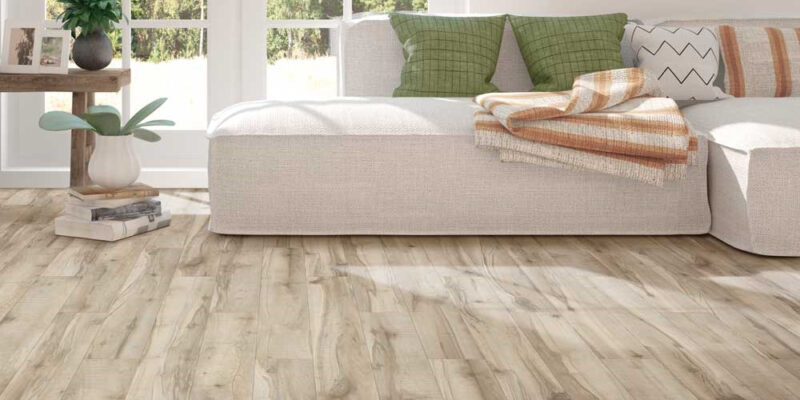
When it comes to elegant flooring, few options can rival the timeless beauty of parquet flooring. Its geometric patterns, rich textures, and classic charm make it a favorite among homeowners and designers alike. But if you’re planning to install parquet in your home, one question always arises:
Should you choose solid parquet or engineered parquet flooring?
Both offer distinct advantages, and the right choice depends on your lifestyle, budget, and the specific conditions of your home. In this guide, we’ll break down the differences, pros, and cons of each type — helping you make the best decision for your space.
What Is Solid Parquet Flooring?
Solid parquet is made entirely from natural hardwood, such as oak, walnut, teak, or ash. Each block or strip is cut from a single piece of timber, meaning the same material runs throughout its thickness.
This traditional type of parquet has been used for centuries in palaces, villas, and luxury homes — admired for its authenticity and long lifespan. The wood can be sanded and refinished multiple times, allowing it to retain its elegance for decades.
Key characteristics of solid parquet flooring:
100% real hardwood throughout
Available in various thicknesses (typically 15–22mm)
Can be refinished several times
Offers a rich, natural look with unique grain patterns
What Is Engineered Parquet Flooring?
Engineered parquet flooring, on the other hand, consists of multiple layers. The top layer is made of real hardwood (the “wear layer”), while the core layers underneath are composed of high-density plywood or fiberboard, bonded together for stability.
At first glance, engineered parquet looks identical to solid wood because the surface is real hardwood. However, its layered construction gives it distinct performance advantages — especially in environments where temperature and humidity fluctuate.
Key characteristics of engineered parquet flooring:
Top layer of real wood (usually 3–6mm thick)
Multi-layered core for stability
Suitable for underfloor heating
Less prone to warping or expanding
Durability and Longevity
Durability often tops the list of concerns for homeowners choosing flooring.
Solid parquet is extremely durable — with proper maintenance, it can last over 50 years. Because it’s solid wood, it can be sanded and refinished multiple times, allowing you to restore its original shine even after years of wear.
Engineered parquet, while also durable, typically has a shorter refinishing lifespan due to its thinner top layer. However, high-quality engineered floors with thicker wear layers (5–6mm) can still be sanded two or three times.
✅ Verdict:
Solid parquet wins for longevity.
Engineered parquet is durable enough for modern homes, especially where humidity might be a concern.
Moisture and Climate Resistance
This is where engineered parquet really shines — especially in climates like Dubai’s.
Dubai’s temperature fluctuations and humidity levels can cause solid wood to expand or contract, potentially leading to gaps or warping over time. Engineered parquet’s layered structure resists these changes, making it much more stable in both air-conditioned interiors and warmer environments.
✅ Verdict:
For areas with high humidity or underfloor heating, engineered parquet is the safer choice.
Solid parquet works best in stable indoor environments with consistent climate control.
Installation Flexibility
Engineered parquet offers easier and more flexible installation options. It can be glued down, nailed, or even floated (depending on the subfloor). This makes it ideal for modern construction and renovation projects.
Solid parquet, being heavier and more sensitive to moisture, requires professional installation with proper subfloor preparation. It must be glued or nailed down — a more labor-intensive process.
✅ Verdict:
Engineered parquet is more versatile and easier to install.
Solid parquet demands expertise and time but offers traditional craftsmanship appeal.
Aesthetics and Feel
Both engineered and solid parquet flooring deliver the same luxurious look — because the visible top layer is real wood in both cases. Patterns like herringbone, chevron, basket weave, and Versailles panels can be achieved beautifully with either type.
However, some purists argue that solid parquet has a more authentic feel and depth, especially when walking barefoot. Engineered parquet, while virtually indistinguishable to the eye, may have a slightly different underfoot sound or feel, depending on installation type.
✅ Verdict:
Visually, both look equally stunning.
Solid wood offers a marginally richer tactile experience.
Cost and Value
Cost often depends on the type of wood, finish, and installation method. Generally, solid parquet tends to be more expensive, both in materials and labor.
Engineered parquet provides a more cost-effective solution, delivering the same high-end appearance at a lower price point. Additionally, it saves time and effort during installation, reducing total project costs.
✅ Verdict:
For long-term investment and resale value, solid parquet holds prestige.
For budget-friendly elegance, engineered parquet offers outstanding value.
Which Should You Choose?
Your choice between engineered and solid parquet depends on your priorities:
Choose Solid Parquet if you want:
- 100% natural wood throughout
- The ability to refinish multiple times
- Traditional craftsmanship and long-term value
Choose Engineered Parquet if you want:
- Moisture-resistant stability (ideal for Dubai homes)
- Compatibility with underfloor heating
- Easier installation and lower costs
Final Thoughts
Both engineered and solid parquet flooring bring warmth, sophistication, and timeless beauty to any home. The decision ultimately comes down to your environment, lifestyle, and aesthetic goals.
In a modern city like Dubai — where climate Vinyl Flooring control and efficiency matter — engineered parquet flooring often provides the ideal balance between luxury, practicality, and sustainability. However, for homeowners seeking traditional craftsmanship and unmatched authenticity, solid wood parquet remains the gold standard.
Whichever you choose, investing in parquet flooring is more than a design choice — it’s a statement of style, quality, and enduring elegance.




Comments