
 By
By 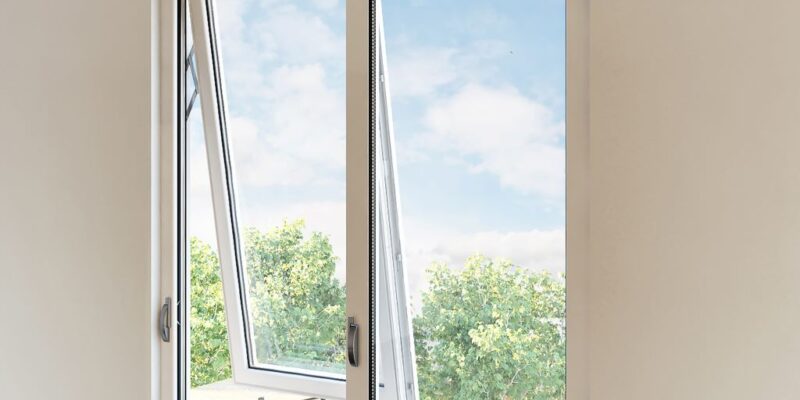
When designing or renovating your home, the choice of windows is far more significant than you might initially think. Windows are not only functional—they provide ventilation, light, and views—but also act as a critical element in your home’s aesthetics and energy efficiency. Among popular options, Louver windows, casement windows, and folding windows stand out for their unique advantages and versatile designs. But which type of window best suits your home? In this blog, we’ll focus specifically on folding windows while comparing them to Louver and casement windows to help you make an informed decision.
What Sets Each Window Type Apart?
Louver Window
A Louver window features horizontal glass slats that can be opened or closed simultaneously. These windows are excellent for ventilation and light control, especially in climates where airflow is essential. However, Louver windows might not offer the maximum security or aesthetic versatility that some homeowners desire.
Casement Window
Aluminum casement windows come with a hinged mechanism that allows them to open outward like doors, either horizontally or vertically. These windows provide great ventilation, unobstructed views, and are easy to operate. Though they are functional and timeless, casement windows may not offer the diverse design possibilities that folding windows boast.
Folding Window
Folding windows, also known as accordion windows or bifold windows, consist of multiple glass panels that fold back against each other on a track. This creates a seamless, wide opening that connects indoor and outdoor spaces. Folding windows are particularly popular for modern homes and spaces where maximizing openness is a priority.
Why Folding Windows Might Be Your Best Choice
Folding windows are rapidly gaining traction in contemporary home design, thanks to their versatility and ability to elevate both form and function. Below are the key reasons why folding windows often outperform other types.
- Maximized Openings and Space Efficiency
Compared to Louver and casement windows, folding windows create the largest openings, making them ideal for spaces where unhindered access is important—like patios, gardens, or large living room areas. The entire window collapses to one side, offering a seamless transition between indoor and outdoor areas.
- Enhanced Natural Light and Ventilation
Folding windows allow you to control the amount of sunlight and airflow with precision. Opening just a few panels lets in a gentle breeze, while fully opening the window floods the room with natural light and fresh air, creating an inviting and dynamic living environment. This advantage makes folding windows a winner in modern homes with open-concept designs.
- Modern Aesthetic Appeal
The contemporary look of folding windows sets them apart from Louver and casement styles. Their sleek, minimalist design is perfect for achieving an elegant, modern aesthetic. Folding windows are highly versatile, complementing both industrial and natural home environments without compromising on style.
- Indoors-Outdoor Integration
Folding windows are particularly well-suited for homeowners who crave a harmonious connection between indoor and outdoor spaces. They blur the boundary between your living room and garden or deck, promoting a seamless indoor-outdoor lifestyle.
- Space-Saving Design
Unlike casement windows that swing outward or inward, folding windows open neatly along their track system. This feature is an excellent space-saving solution for areas with limited clearance or where traditional hinged designs might obstruct pathways.
- Customization Options
Folding windows can be customized to fit a wide range of designs and sizes. Whether you want large panels for a panoramic view or smaller panels for a cozy nook, folding windows can be tailored to meet your specific needs.
Are There Downsides to Folding Windows?
While folding windows are undeniably stylish and functional, they might not suit every situation. Some key considerations include:
Cost: Folding windows are typically more expensive compared to Louver and casement styles due to their intricate mechanisms and premium aesthetics. However, the investment often pays off in terms of added value to your home.
Complex Installation: Because of their track system and folding panels, these windows may require professional installation and frequent maintenance to ensure long-term functionality.
Space for Tracks: The track system might require sufficient room for operation, making folding windows less practical in very small spaces.
Which Window Should You Choose?
The right choice ultimately depends on your priorities. If cost-effective ventilation is your main goal, a Louver window could be the solution. If you want something practical, timeless, and easy to operate, casement windows are hard to beat. But if you’re looking for modern aesthetics, maximum openings, and a stronger connection between indoor and outdoor spaces, folding windows are clearly the best choice.







Comments