
 By
By 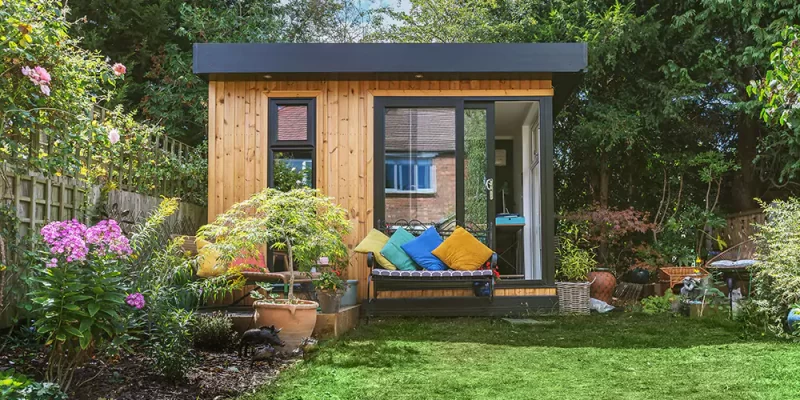
When clutter starts to creep in and your home or business space feels tight, the immediate question is how to expand your storage capacity. For many, it comes down to a fundamental choice: renting a storage unit vs building a shed. Both options have their appeal and pitfalls, but your ultimate decision should begin with thoughtful space planning to identify the kind of storage you really need. This post will guide you through a step-by-step process to analyze your needs, consider your lifestyle, and make an informed choice that fits your budget and goals.
Step 1: Assess Your Storage Volume and Item Types
Begin by cataloging all belongings or inventory that requires storage. The size, quantity, and
nature of your items directly influence what kind of space or structure you need.
- Volume: Are you storing a few large items like furniture or many small boxes and bins? Sheds come in a wide range of sizes (commonly 8×6 to 12×16 feet or more) and can be customized, but storage units offer scalable dimensions based on your needs.
- Durability and Sensitivity: Items prone to moisture damage, freezing, or temperature fluctuations may benefit from climate-controlled storage units, while rugged tools, garden equipment, and durable goods can safely go in a shed.
- Access Frequency: Daily or weekly needs favor the convenience of an on-premises shed, whereas occasional access aligns better with a facility rental.
Step 2: Evaluate Space Availability and Property Constraints
Not every property can accommodate a full shed. Before deciding, consider the physical space you have available:
- Backyard or Outdoor Space: Measure your yard or designated area to determine if a shed fits comfortably without impairing curb appeal or violating local zoning restrictions or HOA rules.
- Zoning and Permits: Many municipalities require permits for sheds over a certain size and may impose setback rules or design standards.
- Storage Unit Proximity: If you lack outdoor space or live in dense urban environments, renting a storage unit conveniently near your home or business might be the only feasible option.
Step 3: Analyze Budget and Cost Over Time
Storage decisions are both financial and practical. The total cost of ownership vs. rental needs to be evaluated:
- Upfront Investment: Building a shed requires a one-time capital outlay, typically between $1,000 and $5,000+, depending on size, materials, and installation.
- Ongoing Costs: Renting a storage unit means paying monthly fees that accrue steadily over time, which can add up significantly if storage is needed long-term.
- Maintenance and Upkeep: Shed owners must factor in occasional repairs, painting, pest control, and potential weatherproofing. Storage facility renters avoid these but have no ownership.
- Flexibility: Rental units offer easy upgrading or downsizing; sheds require more commitment but provide permanent space on your property.
Step 4: Consider Security and Climate Control Needs
Depending on the value and sensitivity of what you’re storing, security features and environmental conditions can be deciding factors.
- Security: Storage units often offer cameras, gated access, and on-site personnel. Sheds require robust locks and possibly alarm systems, which can be installed by the owner, to deter theft.
- Climate Control: Sensitive electronics, heirlooms, or business inventory may require humidity and temperature control available in many storage units, but rarely in standalone sheds.
Step 5: Plan for Convenience and Accessibility
How easy and frequently you need to access your stored items matters:
- Immediate Access: A shed provides 24/7 access right on your property, perfect for hobbyists, gardeners, or small business owners who need tools or stock readily.
- Operating Hours: Storage facility hours vary and may limit when you can retrieve items.
- Loading and Unloading: Consider parking availability and ease of moving heavy or bulky items both at your property and the rental facility.
Step 6: Factor in Future Storage Needs and Expansion
Your storage needs might evolve, so planning matters:
- Scalability: Storage units allow for easy resizing or relocating to suit changing volumes.
- Permanent Solutions: Sheds tend to be more permanent but can be expanded or upgraded, though at additional expense and effort.
Step 7: Evaluate Aesthetic Impact and Property Value
A backyard shed affects the look and potentially the value of your home or business property:
- Design: Choose materials and colors that integrate smoothly with your surroundings to boost curb appeal.
- Neighborhood Norms: Conform to HOA or city design guidelines to avoid compliance issues.
- Long-Term Value: A well-maintained shed can add resale appeal; rental spaces have no impact on your property’s market value.
Step 8: Make Your Choice with Confidence
To decide between renting a storage unit vs building a shed, synthesize the insights gathered:
- If you seek flexibility, climate control, and security without managing upkeep, and your storage needs may fluctuate or be temporary, rental is often superior.
- If you have property space, desire permanent, convenient access, and want to build equity in your storage solution with controlled one-time costs, a shed is typically the better option.
- Hybrid approaches also exist: buy a shed for frequently accessed tools or seasonal gear, and rent units for excess or valued items that require climate protection.
Space planning is the blueprint for successful storage. By carefully evaluating your volume, environment, budget, and lifestyle, you can find the storage type that best fits your unique needs. Whether your choice is renting a storage unit or investing in a shed, making an informed decision saves money, reduces stress, and helps you enjoy a clutter-free home or business space.




Comments