
 By
By 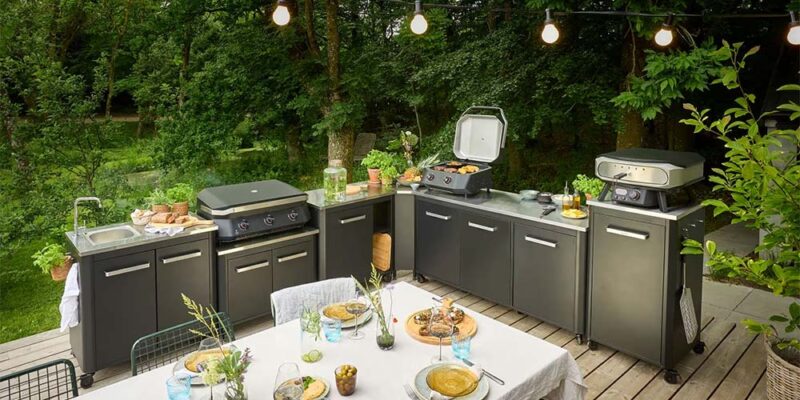
When it comes to creating a stylish and functional outdoor kitchen, durability is a top priority. Your outdoor kitchen is exposed to the elements year-round, and choosing the right materials can make all the difference between enjoying a long-lasting space or dealing with costly repairs and replacements. Two popular choices for outdoor kitchen cabinets are stainless steel and solid wood.
While solid wood is often admired for its rustic charm, stainless steel offers an array of benefits that make it an unbeatable option for outdoor environments. From superior weather resistance to easy maintenance, stainless steel is the rustproof champion that outclasses rot-prone wood alternatives. Let’s dive deeper into why stainless steel outdoor kitchens are the ideal choice.
Why Stainless Steel is Rustproof
Rust is one of the most common threats to outdoor kitchen materials. Rain, humidity, and proximity to a pool or the ocean combine to increase the likelihood of corrosion for many metals, but stainless steel is engineered to combat this issue.
Stainless steel contains chromium, a chemical element known for its ability to create a thin protective layer on the surface of the steel. This layer prevents moisture and oxygen from penetrating the material and causing rust. The result? A kitchen that can withstand rainy seasons, humid summers, and even salty air near the coast.
Key Benefits of Rustproof Stainless Steel Outdoor Kitchens:
Corrosion Resistance: Stainless steel resists rust and oxidation even in wet or humid conditions.
Longevity: This intrinsic resistance ensures a stainless steel outdoor kitchen remains structurally intact for years to come.
Low Maintenance: Rustproof properties eliminate the need for special coatings or treatments to prevent damage.
On the other hand, metals that lack stainless steel’s protective qualities require frequent maintenance or replacements over time, making stainless steel the clear winner for durability in wet or coastal climates.
The Rot-Prone Nature of Solid Wood
Solid wood is undeniably beautiful and offers a warm, natural aesthetic, but it struggles to handle the challenges of outdoor elements. Wood is rot-prone, especially when exposed to moisture for prolonged periods.
Why Solid Wood is Rot-Prone:
Moisture Absorption: Wood absorbs water easily, causing it to swell and eventually weaken its structure.
Pests and Mold: Moisture creates the perfect environment for mold growth and attracts pests like termites, which can compromise your kitchen’s integrity.
Temperature Sensitivity: Fluctuations in temperature can cause wood to shrink, expand, crack, or splinter.
Outdoor kitchens made of solid wood require heavy maintenance, such as applying waterproof sealants, regular refinishing, and pest prevention treatments, just to keep up with Mother Nature’s wear and tear.
While wood may seem affordable upfront, the ongoing effort and cost of maintenance quickly add up—and replacing rotted wood components can become inevitable after a few seasons.
Weatherproof Champion: Stainless Steel vs Solid Wood
Outdoor kitchens face the challenge of fluctuating weather conditions, and both stainless steel and solid wood react differently under these conditions:
Stainless Steel:
All-Weather Resilience: Stainless steel can handle blazing sun, pouring rain, and freezing temperatures without compromising its structure.
UV Resistance: It doesn’t crack, fade, or discolor under prolonged exposure to sunlight.
Temperature Stability: Unlike wood, stainless steel won’t expand or contract due to temperature changes.
Solid Wood:
Vulnerable to Moisture: Wood requires protective treatments to hold up against rain. Without proper sealing, it will rot and deteriorate over time.
Heat and UV Sensitivity: Prolonged exposure to sunlight can result in fading, warping, or cracking.
Prone to Expansion and Contraction: Wood expands during humid conditions and shrinks during cooler weather, which often leads to structural damage.
Clearly, stainless steel is the weatherproof champion in outdoor environments, capable of withstanding any climate without requiring constant maintenance or replacement.
Maintenance Matters: Stainless Steel is Effortless
Outdoor kitchens should make your life easier—not harder. When it comes to maintenance, stainless steel proves itself to be a hassle-free material compared to solid wood.
Stainless Steel:
Requires minimal maintenance—simply wipe down surfaces with a damp cloth and mild cleaner to keep them shiny and clean.
No need for sealing, painting, or refinishing.
Erodes slowly, if at all, even after decades of use.
Solid Wood:
Demands regular sealing or staining to protect against moisture and UV damage.
Requires careful cleaning to avoid scratching or damaging the wood.
Maintenance costs stack up over time and include repairs for cracks, warping, or pest damage.
For those unwilling to dedicate hours of upkeep, stainless steel outshines wood in practicality and ease of cleaning.
Sleek Modern Style vs Traditional Charm
Aesthetics play a big role in your outdoor kitchen choice. Both stainless steel and solid wood bring unique design elements to the table.
Stainless Steel:
Offers a sleek, polished, and modern look that complements contemporary outdoor designs.
Can pair beautifully with other materials, such as natural stone countertops or wooden accents, for a balanced design.
Retains its clean and elegant appearance over time with simple maintenance.
Solid Wood:
Suits rustic and traditional styles with its warm, natural charm.
However, wood can fade or lose its appeal over time if it isn’t diligently maintained.
While solid wood offers timeless charm, stainless steel is far more versatile and provides a clean aesthetic that remains visually appealing for years without fading or wearing out.
Sustainable and Cost-Effective
Durability isn’t just about lasting longer—it’s about reducing the environmental and financial costs of frequent replacements.
Stainless Steel:
100% recyclable at the end of its lifecycle, making it an eco-friendly option for environmentally conscious homeowners.
Long-lasting durability means fewer repairs, replacements, and wasted materials, offering greater value for your investment.
Solid Wood:
Natural wood feels sustainable, but maintenance treatments and the possibility of shorter lifespans increase the environmental and financial impact.
Frequent repairs or replacements may be necessary in the long term, especially in climates with rain, humidity, or temperature extremes.
Choosing stainless steel for your outdoor kitchen is a smart way to reduce waste and enjoy an eco-friendly design built for the long haul.
Final Choice
When comparing rustproof stainless steel to rot-prone wood, the choice becomes clear. Stainless steel offers unparalleled durability in outdoor environments, easy maintenance, resistance to pests and weather elements, and a stylish aesthetic that fits beautifully into modern spaces.
While solid wood undeniably has its unique appeal, its high maintenance requirements and vulnerability to rot leave it at a disadvantage for outdoor kitchens—particularly in less predictable climates where moisture and temperature fluctuations are a concern.
So, if you’re planning your dream outdoor kitchen and want a material that will keep up with your lifestyle, withstand the elements, and look fantastic for decades, stainless steel is your go-to choice!
Outdoor kitchen cabinets are an investment, and you deserve a space that offers both beauty and longevity. Stainless steel checks all the boxes for a durable, low-maintenance, and sustainable material, ensuring you’ll enjoy cooking and entertaining outdoors for years to come.






Comments