
 By
By 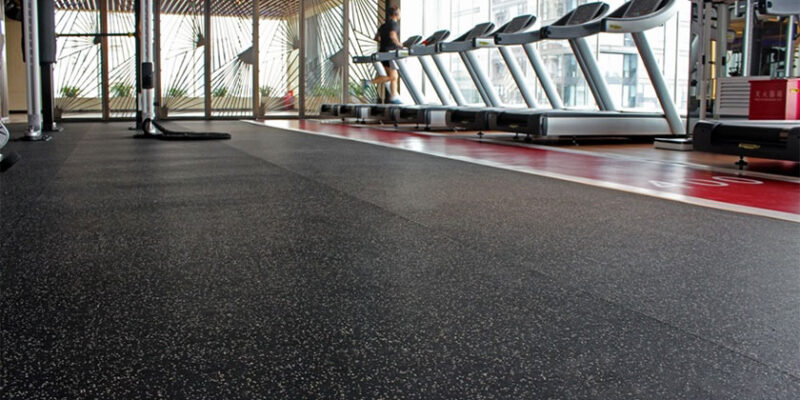
When it comes to choosing flooring that combines durability, safety, and style, rubber flooring has become one of the most reliable options available today. Known for its resilience and versatility, rubber flooring is widely used in gyms, schools, hospitals, commercial spaces, and even residential interiors. Its unique properties make it an excellent investment for areas that require long-lasting performance, comfort underfoot, and easy maintenance.
In this blog, we’ll explore the benefits of rubber flooring, its common applications, available design options, and maintenance tips—helping you understand why it’s the perfect solution for modern spaces.
What is Rubber Flooring?
Rubber flooring is made from either natural rubber (derived from rubber trees) or synthetic rubber (manufactured from recycled materials and polymers). Available in tiles, rolls, or mats, it provides a flexible and shock-absorbent surface that is highly resistant to wear and tear. Its non-slip texture, water resistance, and cushioned feel make it a preferred flooring solution in both commercial and residential settings.
Key Advantages of Rubber Flooring
Exceptional Durability
Rubber flooring is designed to withstand heavy foot traffic, making it suitable for gyms, hospitals, offices, and schools. Unlike many other flooring types, it doesn’t easily crack, chip, or dent under pressure.
Safety and Comfort
With its natural cushioning and slip-resistant surface, rubber flooring minimizes the risk of injuries from slips or falls. It also provides comfort underfoot, reducing fatigue in spaces where people stand or walk for long periods.
Noise Reduction
Rubber has natural sound-absorbing properties, which makes it an excellent choice for busy environments such as gyms, classrooms, and commercial offices. It helps reduce noise from footsteps, dropped weights, or moving equipment.
Eco-Friendly Option
Many rubber flooring products are made from recycled materials, such as used car tires, making them an environmentally responsible choice. Natural rubber is also biodegradable and sustainable.
Moisture Resistance
Rubber flooring resists water, mold, and mildew, making it ideal for damp environments like basements, locker rooms, and kitchens. This also ensures easier cleaning and long-term durability.
Low Maintenance
Rubber floors are easy to clean and require minimal upkeep. Sweeping, mopping, or wiping with mild cleaners is usually enough to keep them looking new.
Common Applications of Rubber Flooring
Thanks to its strength and versatility, rubber flooring is used in a wide variety of settings:
Gyms and Fitness Centers – Provides cushioning for exercise, absorbs shock from weights, and reduces the risk of injury.
Schools and Nurseries – Ensures safety for children with its non-slip and impact-resistant surface.
Hospitals and Healthcare Facilities – Offers hygienic, non-porous surfaces that are easy to sanitize and maintain.
Offices and Workspaces – Reduces noise while providing comfort for employees who spend hours walking or standing.
Residential Spaces – Used in playrooms, home gyms, basements, and kitchens for comfort and safety.
Commercial Spaces – Retail stores, airports, and public facilities benefit from its durability and low maintenance.
Design Options in Rubber Flooring
Rubber flooring has evolved from its basic utilitarian look to a stylish and customizable option. Today, it comes in a wide range of designs, textures, and finishes:
Rubber Tiles – Easy to install and replace, available in interlocking designs for quick DIY projects.
Rubber Rolls – Ideal for covering large areas seamlessly, commonly used in gyms and commercial spaces.
Rubber Mats – Portable, affordable, and versatile for smaller spaces or specific areas.
Colors and Patterns – Available in neutral shades like black and grey, as well as vibrant colors and speckled designs for a modern appeal.
Textured Finishes – Ribbed, studded, and smooth finishes enhance grip and add unique style to interiors.
Maintenance Tips for Rubber Flooring
To maximize the lifespan and appearance of rubber flooring, proper care is essential:
Regular Cleaning – Sweep or vacuum to remove dirt and dust.
Mopping – Use a damp mop with mild, pH-neutral cleaners to prevent damage.
Avoid Harsh Chemicals – Strong solvents or oils can harm the surface.
Protect from Heavy Objects – Place protective pads under heavy furniture or equipment.
Immediate Spill Cleanup – Wipe spills quickly to prevent staining.
With routine care, rubber flooring can last for decades, maintaining both its functionality and style.
Why Choose Rubber Flooring for Modern Spaces?
Rubber flooring is no longer limited to gyms and industrial spaces. Its versatility has made it a popular choice in homes, offices, and luxury interiors. With advancements in manufacturing, today’s rubber floors combine high performance with attractive designs, offering both practicality and elegance.
For Dubai and other regions where durability, safety, and easy maintenance are essential, rubber flooring stands out as a smart investment. Its ability to handle heavy traffic, resist moisture, and provide long-lasting comfort makes it suitable for almost any environment.
Final Thoughts
Rubber flooring is one of the most practical, stylish, and eco-friendly flooring solutions available today. From gyms and schools to homes and commercial spaces, it offers unmatched durability, safety, and ease of maintenance. With modern design options, rubber flooring Dubai goes beyond functionality, adding a sleek and contemporary look to interiors.










Comments