
 By
By 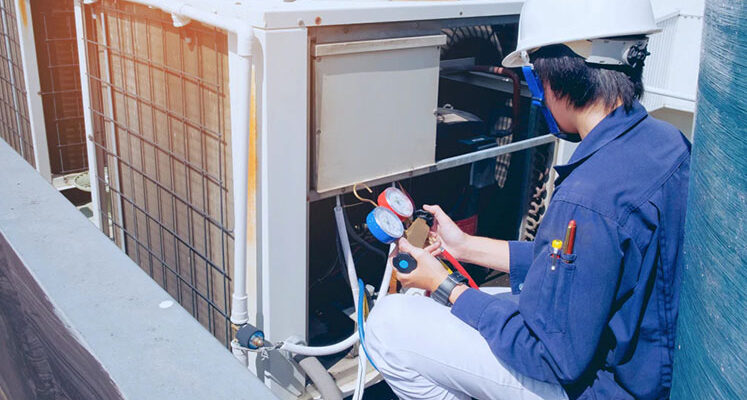
Carbon monoxide is an invisible threat that can sneak into your home without warning. It’s colorless, odorless, and extremely dangerous. But did you know that your HVAC system can be one of the biggest sources of carbon monoxide leaks?
So, how do you protect your home and your loved ones? Let’s walk through the steps you can take to keep this silent threat out of your air.
What Is Carbon Monoxide And Why Is It Dangerous?
Carbon monoxide (CO) is a toxic gas produced when fuels like gas, oil, or wood do not burn completely. If your furnace, boiler, or other HVAC equipment malfunctions or has poor ventilation, it could start leaking CO into your living space.
Inhaling CO can lead to symptoms like headaches, dizziness, nausea, and even death in extreme cases. That’s why early prevention is key.
Schedule Regular HVAC Maintenance
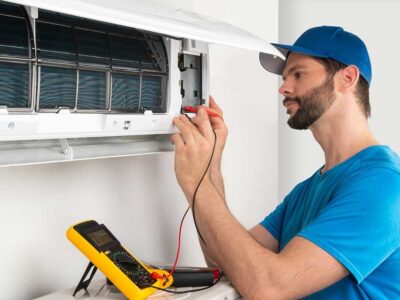
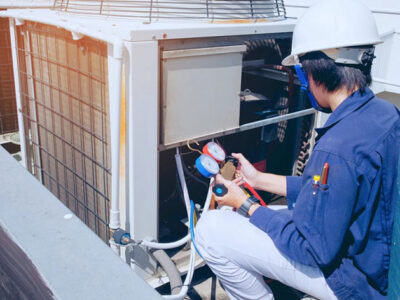
Have you had your HVAC system checked this year? If not, it’s time. Annual professional inspections are the first line of defense against carbon monoxide leaks.
An HVAC technician will check the heat exchanger, burner operation, and venting to make sure everything is working properly. Small issues like cracks or rust may not seem serious, but they can lead to major CO problems if ignored.
Keep Vents And Flues Clear
Do you know if your HVAC vents are blocked? Birds, leaves, or even snow can clog outdoor flues and prevent carbon monoxide from escaping your home.
Check these areas regularly, especially after a storm or heavy snowfall. Proper ventilation is essential for safely directing exhaust gases outside.
Install Carbon Monoxide Detectors
Would you know if there was CO in your home? Not without detectors. Install carbon monoxide detectors on every floor of your home, especially near bedrooms.
Test them monthly, replace batteries twice a year, and know what the alarm sounds like. This simple step could save lives.
Use Appliances Safely
Do you ever use your gas stove to heat your home? Please don’t. Never use ovens, grills, or generators indoors or in enclosed spaces. These appliances produce carbon monoxide and are not designed for home heating.
Replace Filters On Time
A clogged furnace filter can restrict airflow and cause the system to overheat. This puts pressure on your equipment and increases the risk of a carbon monoxide leak. Replace your filters every one to three months, depending on usage.
When To Call For Help
If your pilot light is yellow, there’s soot around your furnace, or you feel lightheaded at home, it’s time to call a professional. These are warning signs that your HVAC system needs immediate attention.
Protect your home and breathe easy.
Contact SWAN Plumbing, Heating & Air Conditioning, Inc. today to schedule an HVAC inspection and keep carbon monoxide out of your air.





Comments