
 By
By 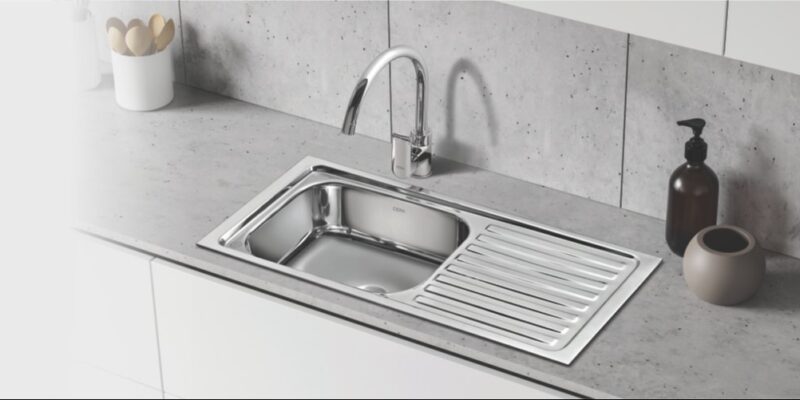
When it comes to designing your dream kitchen, the sink is one of the most vital elements. Not only does it need to function well for your daily activities, but its style and placement can significantly impact the look of your kitchen. Among the top contenders in the world of sink design are undermount, drop-in, and apron front sinks. While each option offers unique benefits, in this blog, we’ll focus on undermount kitchen sinks, diving deep into their advantages, drawbacks, and what makes them a popular choice for modern kitchens.
Kitchen Sink Types
Before we highlight undermount sinks, let’s take a brief look at the differences between these three sink styles:
Drop-in Kitchen Sinks: Also known as top-mount sinks, these rest on the countertop surface with a visible rim, making them easy to install and budget-friendly.
Apron Front Kitchen Sinks: Commonly called farmhouse sinks, they feature a deep basin and exposed front that often serves as a design focal point.
Undermount Kitchen Sinks: Installed underneath the countertop, these provide a seamless, rim-free design favored for sleek, modern kitchens.
While apron front sinks are great for a statement piece and drop-ins are ideal for practicality, undermount sinks are the go-to option for homeowners seeking streamlined elegance and innovative functionality.
What Are Undermount Kitchen Sinks?
Undermount sinks are installed beneath the countertop surface, creating a continuous flow between the countertop and the sink basin. With a rim-free design, they offer a sleek and minimalist appearance that complements modern kitchens. These sinks are widely popular due to their aesthetic appeal and practicality, but they require careful consideration to ensure compatibility with your kitchen design.
Key Features of Undermount Kitchen Sinks
-
Seamless Integration
One of the standout features of undermount sinks is their seamless integration with the countertop. Since there’s no visible rim, crumbs, spills, and water can be wiped directly into the sink, making cleanup easy and convenient.
-
Space-saving Design
The rim-free construction maximizes countertop space, providing more room for meal prep and gluten-free cooking tasks—a huge advantage for smaller kitchens where every inch of space matters.
-
Compatibility with High-end Countertops
Undermount sinks are typically paired with solid-surface countertops like quartz, granite, or marble. If you’re investing in premium materials for your kitchen, undermount sinks enhance their clean look by ensuring the countertop remains the star of your design.
-
Modern Minimalist Appeal
With their sleek and unobtrusive appearance, undermount sinks are perfect for contemporary kitchens or designs that emphasize clean lines and uncluttered spaces. They blend seamlessly with modern, transitional, or even industrial styles.
Pros of Undermount Kitchen Sinks
Let’s explore the top advantages of undermount sinks:
-
Elegant Visual Appeal
Undermount sinks contribute to a polished, high-end look in the kitchen. Their seamless integration enhances the beauty of your countertop and keeps the overall design clean and streamlined.
-
Easy Cleaning
No sink rim means no obstruction when wiping crumbs or liquids into the sink. Cleaning up your countertop becomes less tedious, and the entire kitchen feels tidier.
-
More Workspace
With no rim taking up valuable counter space, undermount sinks provide more usable room for prep work, cooking, or even displaying decor.
- Design Flexibility
Undermount sinks come in various shapes, sizes, and materials (like stainless steel, fireclay, or composite), making it easy to find one that matches your kitchen style.
-
Higher Resale Value
Because undermount sinks are associated with modern and high-end kitchens, they can add to your home’s resale value, appealing to design-conscious buyers.
Cons of Undermount Kitchen Sinks
While undermount sinks offer plenty of benefits, there are some potential drawbacks to consider:
-
Higher Installation Costs
Installing an undermount sink is generally more expensive and requires professional expertise. It involves precise mounting to ensure the sink is properly supported beneath the countertop.
-
Compatibility Limitations
Unlike drop-in sinks, undermount sinks are usually limited to solid-surface countertops (like quartz, granite, or marble) as they need a sturdy surface for secure installation. Laminate countertops are not ideal.
-
Maintenance of Seams
The joint between the countertop and the sink must be properly sealed to prevent leaks or dirt buildup. Improper sealing can lead to maintenance issues over time.
-
Repair Challenges
If repairs or replacements are needed, undermount sinks are more challenging to uninstall than drop-in sinks. Professional removal may be necessary, which can add to costs.
Are Undermount Sinks Right for You?
Undermount sinks are an ideal choice if you:
Want a seamless, minimalist look for your countertops.
Have solid-surface countertops that can support the weight of the sink and its installation.
Prioritize easy cleaning and increased workspace.
Prefer a modern or transitional kitchen design.
Have the budget for professional installation and maintenance.
However, if you’re looking for a more budget-friendly option or plan on using laminate countertops, a drop-in sink might be more suitable.
How to Choose Between Sink Types
Choosing between undermount, drop-in, and apron front sinks ultimately depends on your kitchen needs, style preferences, and budget.
Drop-in sinks work well for practicality and simplicity.
Apron front sinks make a bold design statement and come with spacious functionality.
Undermount sinks, however, stand out as the go-to choice for homeowners who value clean lines, modern appeal, and easy counter cleanup.
If you’re aiming for a sleek, high-end look and don’t mind investing in quality materials and professional installation, undermount sinks are an excellent choice. With their unique ability to blend beauty and functionality, they are a timeless addition to any kitchen.










Comments