
 By
By 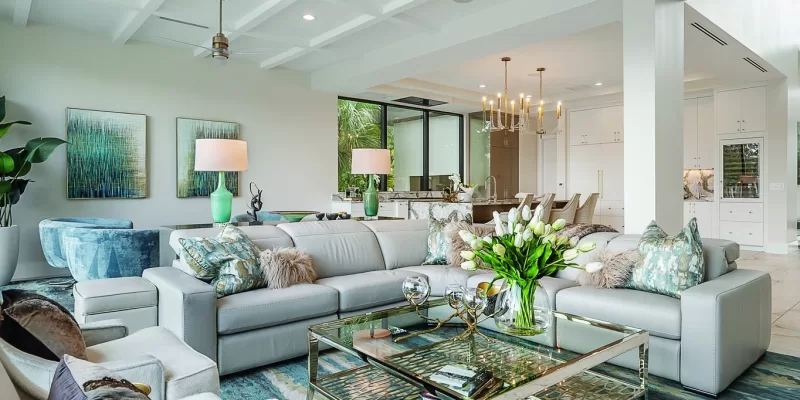
Interior design is more than choosing colors or furniture-it directly affects how people feel, think, and function inside a space. The layout, lighting, textures, and materials in a home or office quietly shape mood, energy levels, and productivity every day. When design choices align with how a space is used, the result is not just a better-looking room, but a better quality of life.
The Psychological Power of Color
Color has a proven influence on emotion. Soft neutrals and warm earth tones tend to create calm and comfort, making them ideal for living rooms and bedrooms. Cooler shades like blues and greens can promote focus and relaxation, which is why they’re often used in home offices and bathrooms. On the other hand, overly dark or overly bright colors in the wrong spaces can feel draining or overstimulating. Thoughtful color selection helps balance energy without overwhelming the senses.
Lighting Shapes Energy and Focus
Lighting plays a major role in how a space feels throughout the day. Natural light improves mood, supports healthy sleep cycles, and boosts productivity. Poor lighting, especially harsh overhead fixtures or dim rooms, can cause fatigue and eye strain. Layered lighting-combining ambient, task, and accent lighting-creates flexibility and comfort, allowing a space to adapt to different needs and times of day.
Layout Affects How You Move and Think
A well-planned layout reduces stress by making movement intuitive and uncluttered. When furniture placement blocks pathways or rooms feel overcrowded, the space can feel chaotic. Open, breathable layouts encourage relaxation and social interaction, while designated zones help the brain switch between work, rest, and leisure more easily.
Texture, Materials, and Sensory Comfort
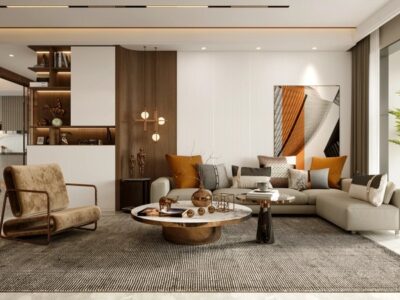
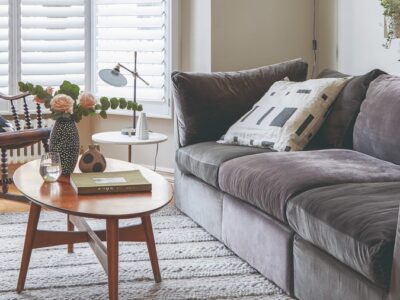
Interior design also affects the senses beyond sight. Soft fabrics, natural materials, and balanced textures create warmth and comfort. Hard surfaces everywhere can feel cold and uninviting, while too many competing textures can feel visually noisy. Balance is key to creating spaces that feel grounded and livable.
Design That Supports Daily Life
At its best, interior design supports how people actually live. When a space feels comfortable, functional, and aligned with daily routines, it reduces friction and enhances well-being. Good design doesn’t just decorate a home-it quietly improves everyday life.
This post was written by a professional at McKinlay Rose Interiors. McKinlay Rose Interiors is a full-service Interior Design company in Saint Petersburg, FL, specializing in Home Renovation, Modern Interior Design, Luxury Interior Design, and Beach Condo Interior Design. As one of the leading Interior Design companies near you, we serve clients throughout Saint Petersburg, Clearwater, and Sarasota, FL. Our experienced team provides expert guidance and reliable solutions, making us a trusted choice for Interior Design near you focused on quality, value, and performance.




Comments