
 By
By 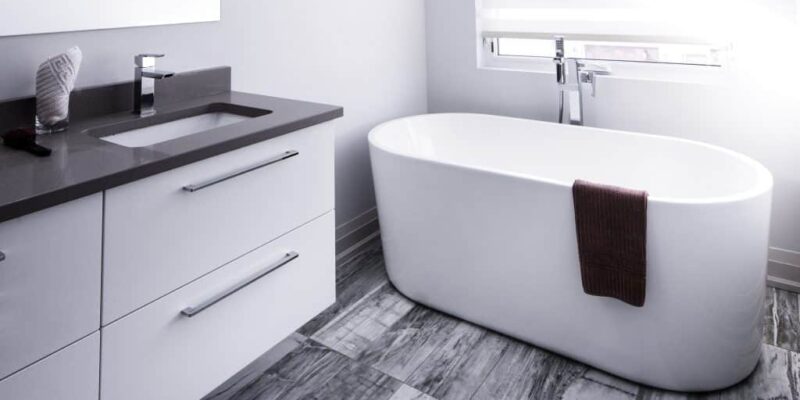
Freestanding tubs have long been associated with luxury and spa-like bathrooms, but in recent years, they’ve become more popular in everyday homes. Their sculptural designs and ability to act as a centerpiece make them a favorite for homeowners and designers alike. However, many people with compact bathrooms wonder whether a freestanding tub is a practical choice for smaller spaces. The answer is yes—with thoughtful planning, a freestanding tub can work beautifully even in limited areas.
The Appeal of Freestanding Tubs
Unlike built-in bathtubs, freestanding tubs are not attached to walls or surrounded by tile. They stand alone, often with elegant curves or sleek modern lines that add sophistication to the bathroom. Their distinct look transforms the room, instantly making it feel more upscale and inviting.
Freestanding tubs also come in a variety of shapes and sizes. From classic clawfoot styles to contemporary oval or rectangular designs, they can suit different aesthetics while creating a focal point in the space.
Challenges in Smaller Bathrooms
The main concern with freestanding tubs in small bathrooms is space. Traditional models can be large and require more clearance around the sides than a built-in tub. In a compact bathroom, this could make the room feel cramped if the tub isn’t chosen carefully.
Another challenge is storage. Unlike built-in tubs, which often incorporate shelving or ledges, freestanding tubs stand alone, leaving fewer options for placing toiletries nearby. This requires creative solutions such as freestanding caddies, wall niches, or compact shelving.
Making Freestanding Tubs Work in Small Spaces
The good news is that many manufacturers now design freestanding tubs specifically for smaller bathrooms. Compact models can fit snugly into tighter spaces while still delivering comfort and style. Here’s how you can make them work:
- Choose the right size – Opt for tubs designed with smaller dimensions, typically 55–60 inches in length.
- Select a shape that fits – Oval or slipper designs can maximize comfort without taking up too much space.
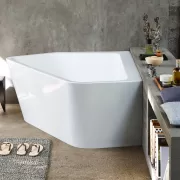
- Position strategically – Placing the tub against a wall or in a corner can save valuable square footage.
- Use creative storage solutions – Add floating shelves, recessed niches, or tub trays to keep essentials close by.
- Focus on balance – Keep the rest of the bathroom’s design minimal to let the tub remain the centerpiece without overwhelming the room.
With these strategies, a freestanding tub can enhance even the smallest bathroom.
Lifestyle Considerations
Beyond space, think about how you use your bathroom. If long, relaxing baths are a priority, then a freestanding tub is a worthwhile addition—even in a smaller space. For families with children, consider whether the tub’s design makes it easy to bathe little ones. In all cases, choosing a tub that balances style, comfort, and practicality ensures you’ll enjoy it for years to come.
A Trusted Example
For those seeking elegance and functionality, Vasca freestanding bathtubs offer a range of designs that cater to both large and small spaces. Known for their craftsmanship and attention to detail, these tubs combine style with practical sizing options, making them a smart choice for homeowners looking to maximize beauty and usability in compact bathrooms.
Final Thoughts
Freestanding tubs are no longer reserved for sprawling luxury bathrooms. With the right size, shape, and placement, they can be an excellent fit even in smaller spaces. By carefully planning your layout and choosing a tub designed for compact areas, you can enjoy the spa-like luxury of a freestanding bathtub without sacrificing comfort or functionality.


Comments