
 By
By 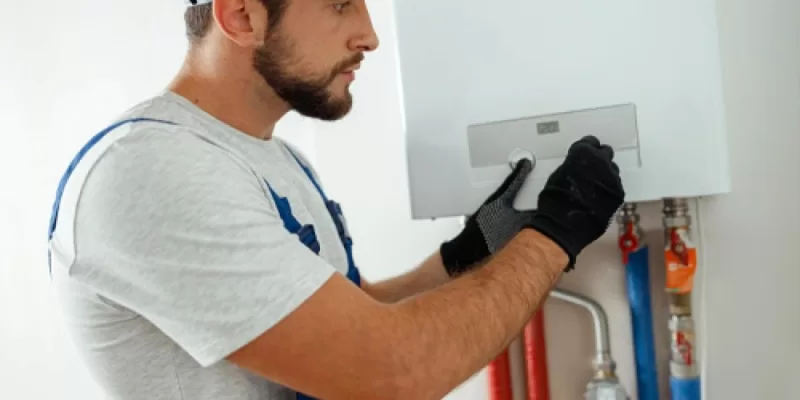
A cold, uneven home is frustrating, but many common heating problems have surprisingly simple solutions. From bleeding radiators and balancing your system to draught-proofing doors and windows, small fixes can deliver big results. This guide walks you through the most effective DIY steps to improve warmth and efficiency, plus advice on when it’s time to call in a professional. Get your home feeling comfortable again without unnecessary expense.
There is something uniquely miserable about a home that refuses to warm up properly. Whether it is a stubbornly cold bedroom, a radiator that gurgles through the night, or a boiler that takes an age to respond, heating problems have a way of making the whole house feel unwelcoming. The good news is that many of the most common issues can be addressed without waiting weeks for an engineer or spending a fortune. A few practical adjustments, some of which take no more than ten minutes, can make a noticeable difference to how comfortable your home feels.
If you are dealing with anything beyond basic maintenance, it is worth consulting a professional heating service to identify the root cause and prevent minor issues from becoming expensive repairs.
Start With Your Radiators
Radiators are often the first thing to check when a room feels persistently cold. If the top of the radiator is cool to the touch but the bottom is warm, the radiator almost certainly needs bleeding. Air becomes trapped inside over time, preventing hot water from circulating fully through the panel.
Bleeding a radiator is straightforward. You will need a radiator key available cheaply at any hardware shop and a cloth to catch drips. Turn the key slowly anticlockwise at the bleed valve, usually found at the top corner of the radiator. You will hear a hiss as the trapped air escapes. Once water begins to trickle out steadily, close the valve. Check your boiler pressure afterwards, as bleeding can cause it to drop slightly below the recommended range (typically between 1 and 1.5 bar).
If your radiators are warm at the top but cold at the bottom, the problem is more likely sludge build-up – a residue of rust and debris that accumulates in older systems. A power flush carried out by a heating engineer can clear this effectively.
Check Your Boiler Pressure
Low boiler pressure is one of the most common reasons a heating system underperforms, and it is one of the easiest things to fix yourself. Most modern boilers display the pressure on a built-in gauge. If the needle sits below 1 bar, the system needs re-pressurising.
Locate the filling loop usually a silver or grey braided hose beneath the boiler – and slowly open the valves until the pressure reaches around 1.5 bar. Close the valves carefully and restart the boiler. If the pressure drops again within a short period, there may be a leak somewhere in the system that needs professional attention.
Programme Your Thermostat Properly
A surprising number of households rely on their thermostat as though it were a simple on/off switch. Modern programmable thermostats and especially smart thermostats offer far more precision, and using them well can transform how efficiently your home heats up.
Set your heating to come on around 30 minutes before you need the warmth rather than waiting until you feel cold. This gives the system time to reach temperature gradually, which is both more comfortable and more energy efficient. Avoid cranking the thermostat up to its maximum in the hope of heating the house faster your boiler works at the same rate regardless, and you will likely end up overheated and then too warm to sleep.
Smart thermostats that learn your routine and adjust automatically are worth the investment if you are upgrading. They can also be controlled remotely, so you are not returning to a cold home after a trip away.
Draught-Proof the Problem Areas
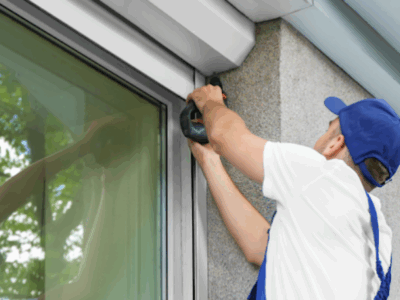
Even the most reliable boiler will struggle if heat is escaping faster than it can be generated. Draughts around doors, windows, letterboxes, and loft hatches are among the most common culprits. Fixing them is inexpensive and can yield an almost immediate improvement.
Self-adhesive foam draught excluders work well around door and window frames. For a more durable solution, brush or fin-style seals tend to last longer and seal more effectively. Do not overlook internal doors either keeping them closed in rooms you are not using prevents heat from dissipating throughout the house.
Letterbox covers with brushes are a worthwhile addition if you have a front door that faces the prevailing wind. The same applies to keyholes and catflaps, which can let in more cold air than their size would suggest.
Bleed Heat Into the Right Rooms
One often-overlooked adjustment is thermostatic radiator valves, or TRVs. These allow you to set different temperatures in different rooms rather than heating the entire house to the same level. Bedrooms, for instance, are generally more comfortable slightly cooler than living areas.
Check that your TRVs are set correctly and that none are stuck they can seize up if left at the same setting for too long. Gently turning the valve back and forth should free it. Keep in mind that the room containing your main thermostat should have its TRV fully open so it can read the ambient temperature accurately.
Know When to Call a Professional
Some problems respond well to DIY attention. Other persistent pressure loss, unusual noises from the boiler, a pilot light that keeps going out, or rooms that remain cold despite all the above require a qualified engineer. Attempting to fix boiler components without the right training is not only ineffective but potentially dangerous.
Annual boiler servicing is the single best thing you can do to maintain reliability and efficiency. A well-serviced boiler runs more cleanly, uses less fuel, and is far less likely to break down at the worst possible moment. Think of it as routine maintenance rather than an expense the kind that pays for itself over time.
A comfortable home in winter is not just a luxury; it has a real effect on wellbeing, sleep, and general quality of life. Most of the fixes above are accessible to anyone with a little patience and a basic understanding of how central heating works. Start with the simplest adjustments, work your way through systematically, and do not hesitate to bring in a professional when the issue is beyond the reach of a quick fix.



Comments