
 By
By 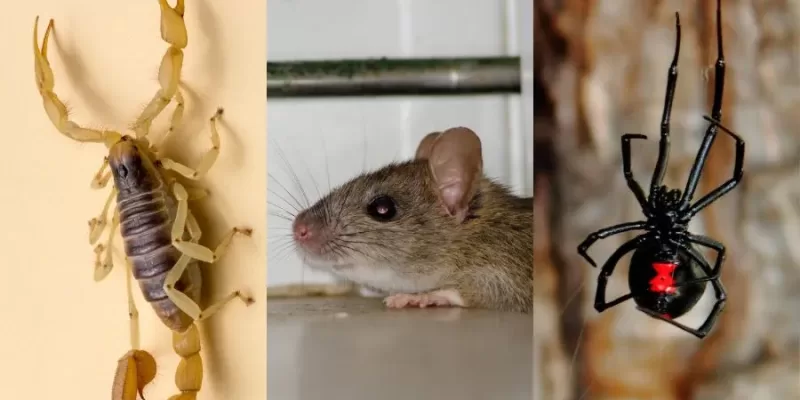
Ultrasonic pest repellers promise fast results without traps, poison, or mess. Many homes across the UK use them to deal with mice, rats, insects, and spiders. The question remains simple: do they actually work?
What Ultrasonic Pest Repellers Claim to Do
Ultrasonic devices emit high-frequency sound waves. Humans cannot hear them. Manufacturers claim these sounds disturb pests, affect nerves, and force them to leave the area. Most units plug straight into a wall socket. Some include flashing LED lights. Others combine sound with electromagnetic pulses through wiring. The promise sounds appealing: no chemicals, no dead pests, no cleaning.
How Ultrasonic Repellers Perform in Real Homes
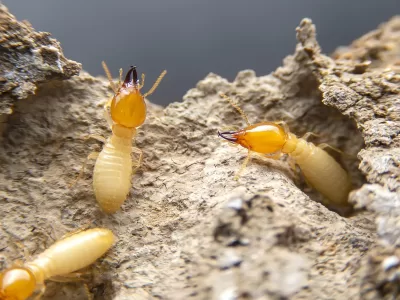
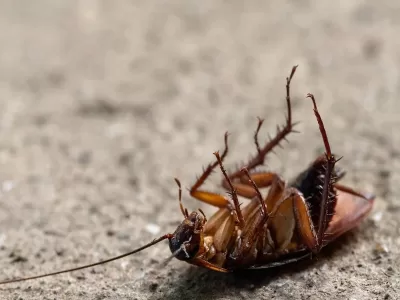
Results vary widely. In small, open rooms, some users notice slightly less activity. In larger homes, results drop sharply. Sound waves do not pass through walls, furniture, or floors. Each room needs its own unit. Even then, cupboards, voids, and loft spaces remain untouched. Rats and mice ignore the sound after a short time. Insects show even less reaction. Ants, cockroaches, and bed bugs continue to nest and feed. Many users report no change after weeks of use.
Limitations You Need to Know
Ultrasonic waves lose strength quickly. Soft furnishings absorb sound. Thick walls block it completely. Pests hide behind units, inside insulation, or under floors where sound does not reach. Pets also react. Dogs, hamsters, and rabbits show stress. Most manufacturers warn against use near small animals. These devices do not remove nests. They do not block entry points. They do not stop breeding.
Scientific and Field Evidence
Independent tests show mixed results. Short-term disturbance sometimes occurs, but long-term control does not. Pests adapt quickly. Once the sound becomes familiar, behaviour returns to normal. Professional field data across the UK housing stock shows no reliable population drop linked to ultrasonic use alone. Infestations continue until direct treatment begins.
When Ultrasonic Repellers May Help
They may assist as a minor support tool. In clean homes with no active nests, they may discourage occasional visitors. They may suit garages, sheds, or caravans with low activity. They do not solve active infestations.
What Works Better Than Ultrasonic Devices
Physical control delivers results. Traps remove pests. Proofing blocks access. Targeted treatments remove nests. Rodents respond to baited traps placed along run routes. Insects require direct treatment of harbourage areas. Loft, wall, and floor voids need inspection. Professional methods focus on cause, not noise.
Cost Comparison and Value
Ultrasonic units cost between £15 and £50 per device. Most homes need several. Total spend rises quickly. Professional treatment costs more upfront. It ends the problem faster. It reduces damage. It prevents return visits. Cheap devices often lead to delayed action. Delays allow pests to spread.
When to Call a Professional
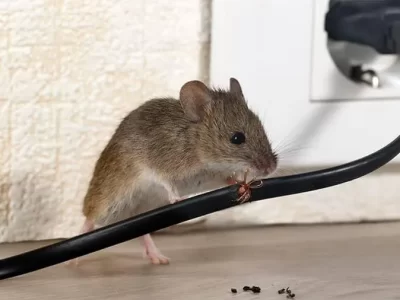
Scratching sounds, droppings, chewed wires, and bites signal the need for direct action. A trained pest controller inspects entry points, identifies species, and applies correct treatment. They also advise on proofing and hygiene. This approach delivers control, not guesswork.
Final Verdict
Ultrasonic pest repellers do not offer reliable pest control. They may disturb pests briefly. They do not remove infestations. They do not replace traps or treatment. For lasting results, direct action remains the only option. Homes need solutions that work. Noise alone does not drive pests away.





Comments